



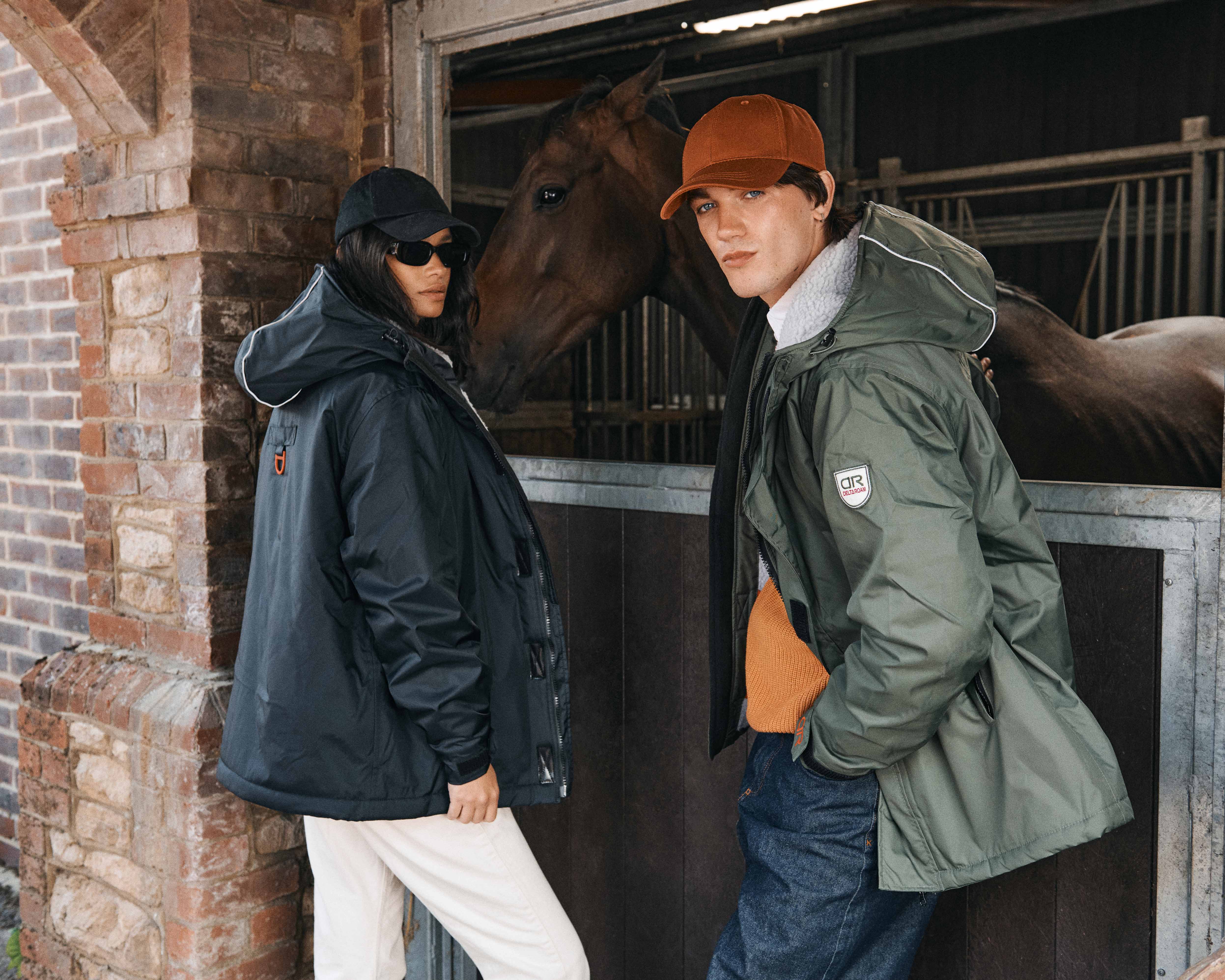


What Is the Best Waterproof Coat for Cold Weather
Introduction
Cold weather alone is manageable. Cold and wet weather is not.
Rain, damp air and wind accelerate heat loss. Once insulation becomes saturated, warmth drops quickly. The best waterproof coat for cold weather must do more than repel light showers. It must protect against sustained exposure while retaining insulation and comfort.
Choosing correctly depends on how long you spend outside and whether you are moving or standing still.
Waterproof vs Water Resistant
Not all winter coats are fully waterproof.
Water-resistant fabrics can handle brief rain but may allow moisture through over time. Fully waterproof fabrics are tested using hydrostatic head measurements expressed in millimetres.
The higher the number, the greater the resistance to water pressure.
For a detailed explanation see what does waterproof rating mean.
If you regularly encounter sustained rainfall rather than intermittent showers, full waterproof construction is essential.
Insulation That Works When Wet
Cold weather coats rely on insulation to trap body heat.
However, insulation loses efficiency when exposed to moisture. A waterproof outer layer protects internal insulation from becoming saturated. This is particularly important in coastal or damp winter climates where cold air often carries moisture.
For more detail see how insulation works in cold weather.
Length and Coverage in Wet Conditions
Rain does not fall only from above. Wind drives moisture sideways. Short coats may leave the upper legs exposed. Longer silhouettes provide greater protection in windy rain. Extended coverage also improves warmth retention when standing still.
For a comparison of longer outerwear styles see outdoor robe vs coat.
Breathability and Internal Comfort
Waterproofing without breathability can create internal dampness. Even when standing still, the body produces moisture. Breathable fabrics allow vapour to escape while blocking external water.
This balance improves comfort during prolonged wear.
For technical context see what does breathability mean in a coat.
Stationary vs Active Use
The best waterproof coat for cold weather depends on how you use it.
If you are hiking or moving continuously, lighter insulation combined with waterproof protection may suffice.
If you are standing outdoors for extended periods, heavier insulation and longer coverage become more important.
For guidance focused on stationary exposure see what is the best coat for standing outside in winter.
Outdoor Robes and Dry Coats in Cold Wet Conditions
Outdoor robes and Dry Coats are frequently chosen for cold and wet environments because they combine:
Full waterproof construction
Substantial insulation
Extended coverage
Originally inspired by coastal sports, these garments are now widely worn for youth sports spectatorship, outdoor events and cold weather routines.
For foundational understanding, see what is a dry coat and what is a changing robe.
Construction Details That Matter
When evaluating waterproof coats, consider:
- Taped seams
- Storm protected zips
- Adjustable hoods
- Wind blocking cuffs
- Durable outer fabrics
Taped seams prevent water from penetrating stitching lines. For explanation, see what are taped seams.
These construction elements separate light rain jackets from true cold weather waterproof coats.
Climate Considerations
In colder, dry climates, insulation thickness may matter more than waterproof rating.
In damp coastal climates, waterproofing and wind protection are critical.
Understanding your local conditions helps narrow down the best option.
Cost vs Longevity
Waterproof cold weather coats often cost more due to fabric technology and construction complexity.
However, in climates with consistent winter rain, durability and performance often justify the investment.
Frequently Asked Questions
What makes a coat truly waterproof?
A fully waterproof coat uses tested outer fabrics combined with sealed seams to prevent water penetration under sustained pressure.
Is a longer coat better in wet weather?
Longer coats provide more coverage and reduce wind driven rain reaching the lower body.
Are outdoor robes good in heavy rain?
Many outdoor robes are constructed with fully waterproof outer fabrics and taped seams, making them suitable for sustained rainfall.
Do I need high breathability in cold weather?
Breathability improves comfort during extended wear by allowing internal moisture to escape.
What is the difference between a Dry Coat and a waterproof winter coat
A Dry Coat typically combines waterproof construction with extended coverage and insulation designed for prolonged stationary exposure. See dry coat vs changing robe for a full comparison.
Conclusion
The best waterproof coat for cold weather combines:
Reliable waterproof construction
Effective insulation
Wind protection
Appropriate length for your exposure
If your winter involves prolonged outdoor time in damp conditions, prioritising endurance rather than just water resistance will improve comfort significantly.
Understanding how long you spend outside and in what conditions remains the most reliable guide.


