





What Is a Changing Robe
Introduction
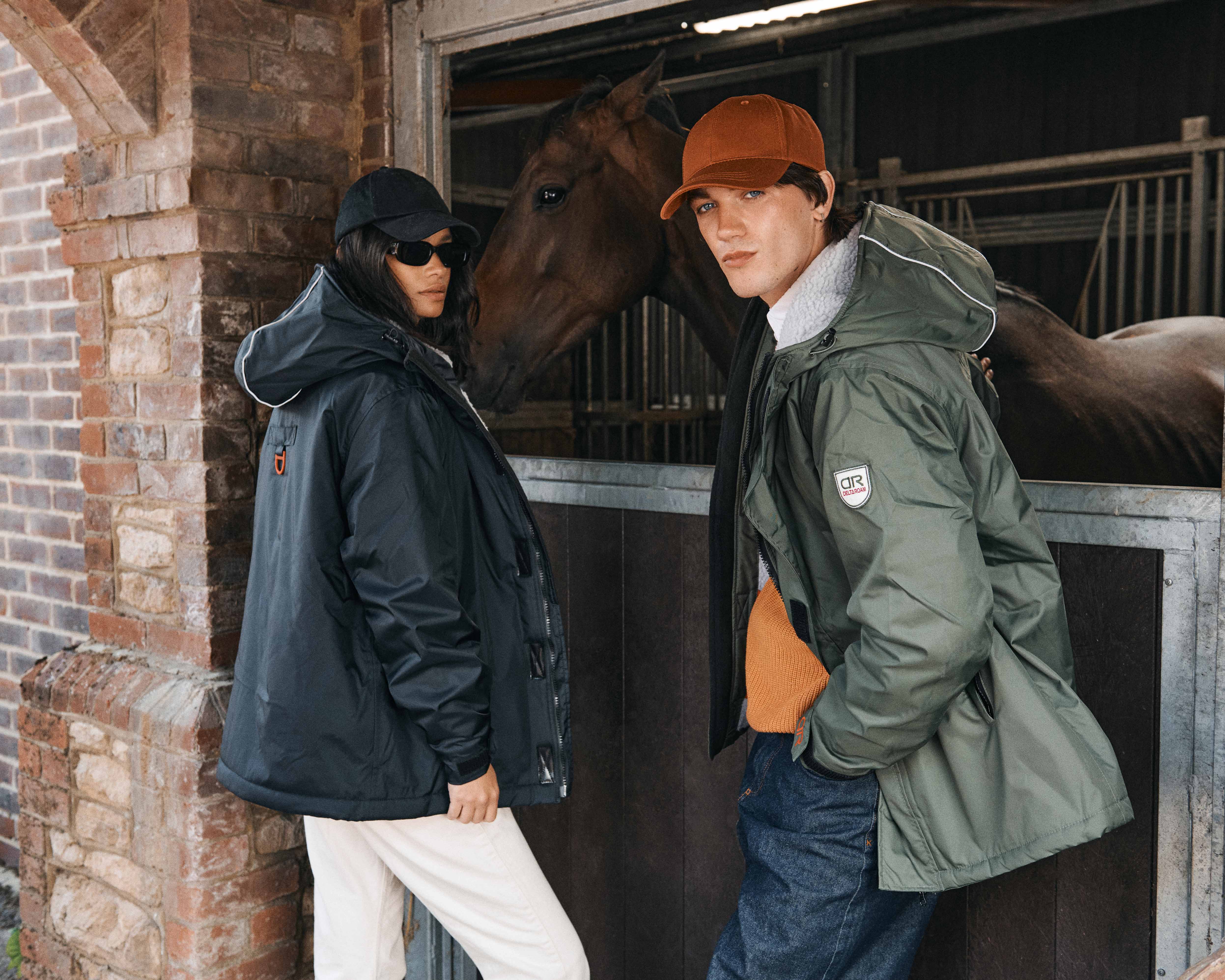
A changing robe is a weather resistant outer garment originally designed to provide privacy, warmth and protection while changing clothes outdoors. Most commonly associated with swimmers and surfers, it has evolved into a broader category of insulated outerwear worn in a variety of cold and wet environments.
Although the term is now widely recognised, many people use it interchangeably with phrases such as dry coat, stadium coat or outdoor robe. Understanding the origin and original purpose of the changing robe helps clarify how the category has developed and where it sits within modern outerwear.
The Origin of the Changing Robe
The changing robe emerged from coastal sports culture. Surfers, swimmers and paddleboarders required a practical solution for changing out of wet clothing in exposed environments. Wind, low temperatures and lack of privacy made this process uncomfortable.
Early versions were deliberately oversized. The extra internal space allowed users to change underneath the garment while remaining covered. Thick linings reduced post-swim chill, and longer lengths protected against wind.
The core purpose was functional rather than aesthetic. These garments were tools designed for a specific outdoor moment.
Over time, their usefulness extended beyond the shoreline.
Primary Features of a Traditional Changing Robe
While designs vary between brands, most traditional changing robes share several defining characteristics.
Oversized fit
The cut is intentionally generous to allow movement inside the garment while changing clothes.
Insulated lining
Often fleece based, the lining traps warmth after cold water exposure.
Weather-resistant or waterproof outer shell
Protection from wind and rain is essential in exposed environments.
Long length
Extended coverage protects the upper legs and retains heat while stationary.
Large hood
Designed to shield against wind and rain.
These features prioritise warmth and coverage over tailoring or silhouette refinement.
Changing Robes Beyond the Beach
As outdoor lifestyles expanded, the use of changing robes broadened.
Parents standing at youth sports games began wearing them for warmth. Dog walkers adopted them for early morning outings. Spectators at stadium events valued the extended coverage and insulation.
What began as a coastal garment transitioned into a more general cold weather solution.
This shift created space for design evolution. Some brands maintained the oversized, purely functional aesthetic. Others refined the concept into more structured outerwear silhouettes.
For a deeper exploration of how that evolution led to a new category, see what is a dry coat.
Changing Robe vs Outdoor Coat
A common question is how a changing robe differs from a traditional winter coat.
Traditional coats are typically structured, mid-length and tailored for commuting or everyday movement. They prioritise shape and layering rather than internal space.
Changing robes prioritise warmth and changing capability. The oversized cut and extended length make them particularly suitable for static outdoor exposure.
For a more detailed comparison between these categories, see outdoor robe vs coat.
Waterproofing and Performance
Many modern changing robes are fully waterproof. Waterproof performance is usually measured in millimetres, indicating how much water pressure a fabric can withstand before leaking.
Breathability is measured in grams per square metre per day. This figure represents how much moisture vapour can pass through the fabric over 24 hours.
Understanding these metrics helps differentiate between basic water resistant garments and performance focused outerwear. For technical detail see what does waterproof rating mean and what does breathability mean in a coat.
It is important to note that not all changing robes emphasise high breathability ratings. Some prioritise insulation and wind protection over moisture management.
Fit and Silhouette
The defining characteristic of the traditional changing robe is its oversized fit. The additional room allows the wearer to change clothing beneath the garment comfortably.
However, as the category expanded into everyday use, preferences began to shift. Some consumers sought a balance between internal space and external structure.
This demand contributed to the development of garments that retain changing capability while offering more considered silhouettes. That evolution is explored further in dry coat vs changing robe.
Use Cases in Modern Settings
Today, changing robes are worn in a wide range of environments beyond coastal sports.
- Youth sports spectatorship
- Cold weather dog walking
- Outdoor school mornings
- Winter travel
- Camping and outdoor events
In colder regions of the United States and Europe, extended stationary warmth is often the primary reason for purchase.
For applied guidance, see how to choose an outdoor robe and outdoor wear for sidelines.
Are All Changing Robes the Same?
No. While the term refers broadly to a garment designed for changing outdoors, construction quality, insulation type, waterproof rating and overall finish vary widely between brands.
Some remain close to the original oversized surf robe concept. Others incorporate technical outerwear elements such as taped seams, structured hoods and more refined silhouettes.
Understanding these distinctions helps buyers align expectations with intended use.
The Changing Robe in the Broader Outerwear Market
The popularity of changing robes reflects a wider shift toward functional outerwear. Consumers increasingly prioritise warmth, durability and weather protection over purely aesthetic considerations.
This shift has influenced the development of related categories, including garments often referred to as dry coats or stadium coats.
Rather than replacing the traditional changing robe, these adjacent categories expand the spectrum of insulated waterproof outerwear available.
Frequently Asked Questions
1. What is the purpose of a changing robe?
A changing robe is designed to provide warmth, privacy and weather protection while changing clothes outdoors.
2. Are changing robes waterproof?
Many are constructed with waterproof outer fabrics. Waterproof performance varies by brand and specification.
3. Can you wear a changing robe all day?
Yes. While originally designed for short-term post-swim use, many people now wear them for extended periods outdoors.
4. What is the difference between a changing robe and a dry coat?
Traditional changing robes prioritise oversized fit and changing space. Dry coats typically emphasise extended wear structure and refined silhouette. For a detailed comparison, see dry coat vs changing robe.
5. Are changing robes only for swimmers
No. Although inspired by water sports, they are now worn for youth sports, dog walking, outdoor events and cold weather routines.
6. Is a changing robe warmer than a winter coat
Warmth depends on insulation type and construction. Longer length and thicker lining often provide significant warmth when standing still.
Conclusion
A changing robe began as a practical solution for coastal sports. Over time, it became part of a broader outerwear movement prioritising insulation, waterproof protection and extended outdoor comfort.
Understanding its origin clarifies how the category fits within modern cold weather clothing and how adjacent concepts such as dry coats have emerged.
For guidance on selecting the right garment for your routine, see how to choose an outdoor robe.


