



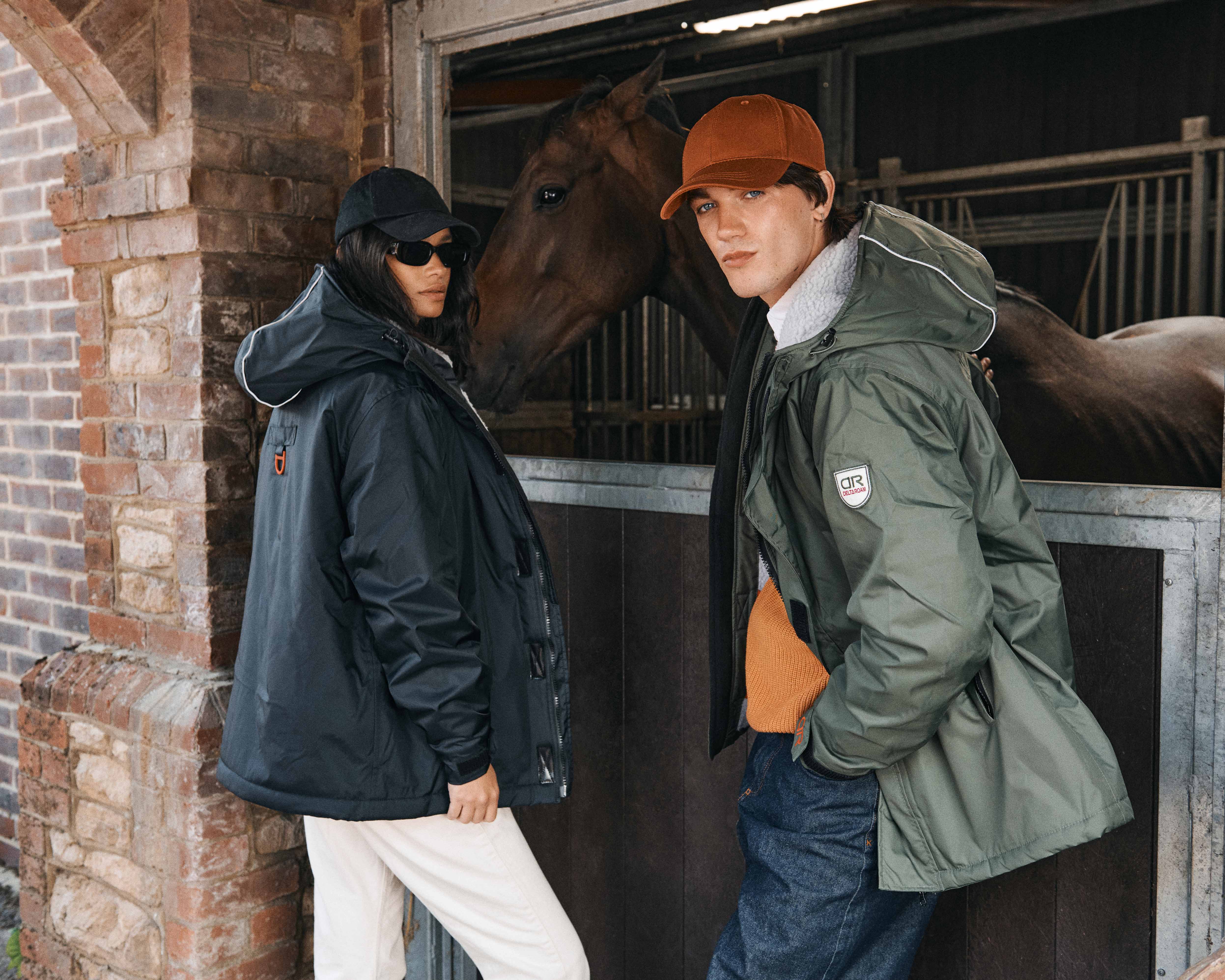


The Rise of the Dry Coat
The Evolution of the Changing Robe
For years, the changing robe was associated with the water’s edge. A practical garment designed to shield against wind and rain while changing after a swim or surf.
But outdoor life has evolved, and so has the coat. The Dry Coat represents that evolution.
From Transition Garment to Everyday Outerwear
Traditional changing robes were built for a specific moment. Step out of the sea. Change. Stay warm. Leave.
Over time, people began wearing them beyond that moment.
School runs in winter. Standing on the sidelines. Coastal walks in sideways rain. Early morning dog walks. Travel days in unpredictable weather.
The garment was no longer just for changing. It became protection for an extended time outdoors.
The Dry Coat acknowledges that shift. It is designed not only for the moment you change, but for the hours you remain outside afterwards.

What Makes a Coat “Dry”
A Dry Coat is defined by performance.
- Waterproofing protects against sustained rainfall.
- Breathability allows internal moisture to escape.
- Insulation retains warmth while standing still.
Breathability is measured in grams per square metre per day and indicates how much moisture can pass through fabric over 24 hours. Higher breathability ratings can reduce internal condensation and help prevent a clammy feel.
Waterproofing is measured in millimetres and reflects resistance to water pressure.
When these specifications are combined with considered construction and structured design, the result is a coat intended for prolonged exposure rather than brief transition.
Structured, Not Oversized
Early changing robes were deliberately oversized to maximise space for changing.
The Dry Coat refines that concept.
It allows layering without excess bulk.
It maintains shape while providing warmth.
It feels appropriate beyond the beach.
Longer cuts offer extended coverage for cold, static conditions.
Mid-length versions prioritise mobility while maintaining insulation.
Both are designed for extended wear.
Designed for More Than the Beach
In colder regions of the United States and the United Kingdom, the Dry Coat has found a broader audience.
Customers searching for a waterproof winter coat, stadium coat, surf coat, cold-weather beach coat, or sideline coat are often looking for sustained warmth and weather protection, not just transitional coverage.
The Dry Coat bridges that gap.

Detail and Finish
As the category has matured, attention to design has increased.
Modern Dry Coats may include:
-
Elevated lining detail
-
Structured collars for wind protection
-
Secure internal and external pockets
-
Removable storage features
-
Durable hanging loops or D rings
These elements bring the garment closer to technical outerwear than purely functional change wear.
A Category Coming Into Its Own
The Dry Coat is not simply a rebrand of the changing robe. It reflects a shift toward garments built for endurance rather than for occasions. For those who remain outdoors in cold, wet or coastal conditions, it offers sustained comfort and protection.
Brands such as Delta Roam have developed pieces within this emerging category, combining structured silhouettes, technical performance and everyday wearability.

Frequently Asked Questions
What is a Dry Coat?
A Dry Coat is a waterproof, insulated outerwear garment designed for prolonged outdoor use. It combines weather protection, breathability and warmth, with changing capability included as a practical feature.
How is a Dry Coat different from a changing robe?
Traditional changing robes were designed primarily for short-term use after swimming or surfing. A Dry Coat is engineered for extended wear, offering more structured fit, considered design and performance-focused breathability.
Is a Dry Coat waterproof?
Yes, Dry Coats are constructed using waterproof outer fabrics designed to withstand sustained rain exposure. Waterproof performance is typically measured in millimetres.
What does breathability mean in a coat?
Breathability measures how much moisture vapour can escape through the fabric over a 24-hour period. It is expressed in grams per square metre per day. Higher breathability ratings can reduce internal condensation and improve comfort.
Can you change inside a Dry Coat?
Yes, many Dry Coats retain enough room to allow changing underneath, while maintaining a more structured silhouette than traditional oversized robes.
Is a Dry Coat suitable for watching sport or standing outdoors in winter?
Yes, Dry Coats are designed to retain warmth when standing still in cold weather, making them suitable for sidelines, coastal conditions and extended outdoor exposure.
Is a Dry Coat only for swimmers?
No. While inspired by post swim garments, Dry Coats are intended for broader outdoor use, including dog walking, commuting, travel and spectator sport.


