



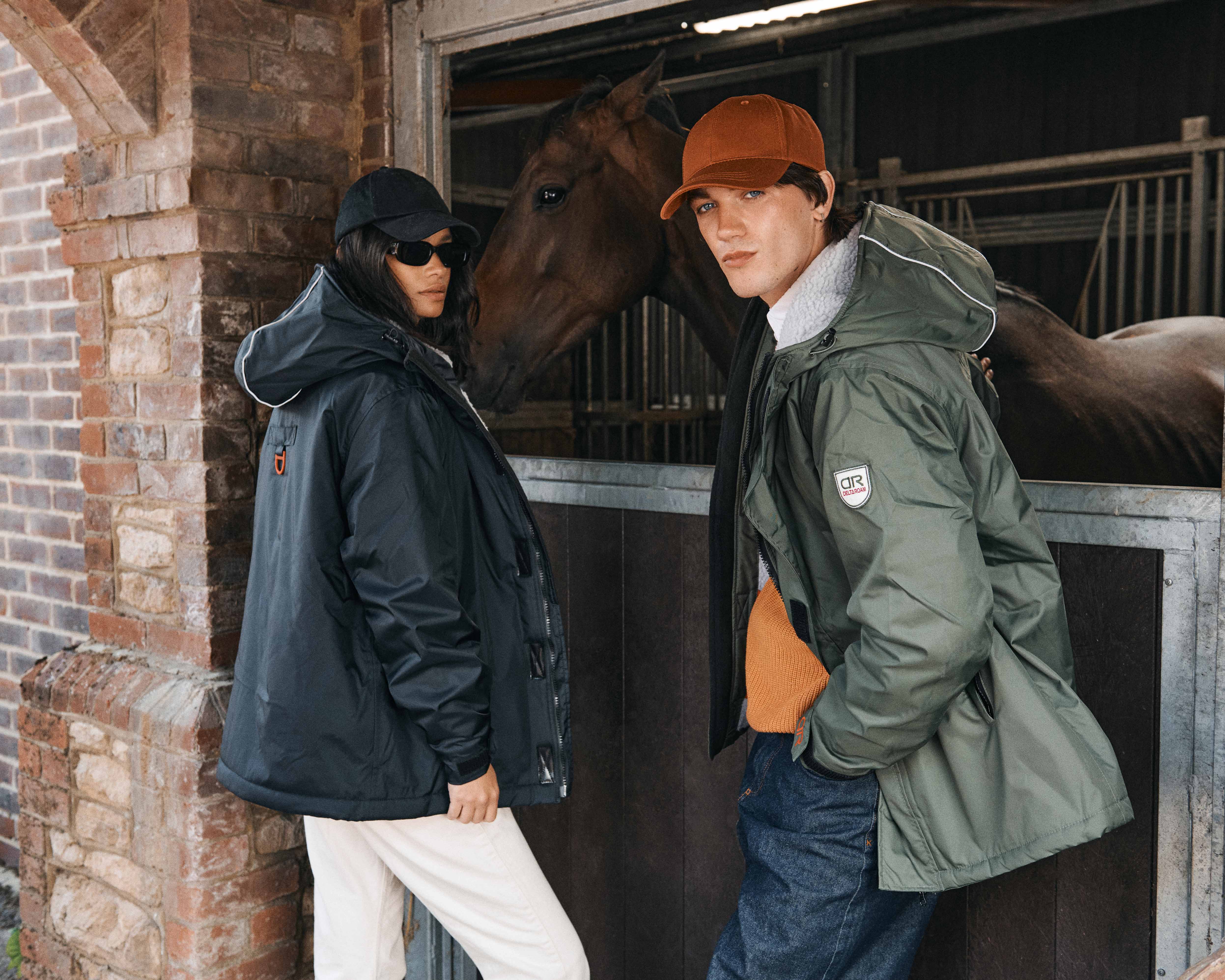


What to Pack for a Cold Weather Sports Day
Introduction
Cold weather sports days require more preparation than you expect.
Even if the game itself lasts ninety minutes, arrival time, warm ups and post match waiting can extend exposure to several hours.
Packing intentionally improves comfort, especially when conditions include wind, damp air or light rain.
This guide outlines what to bring for prolonged outdoor exposure in cold weather.
Start With Outerwear
The most important decision is your coat.
Cold sports days involve long periods of standing still. Insulation and coverage matter more than style.
Look for:
Extended length
Insulation suitable for static warmth
Waterproof outer fabric
Wind protection
For guidance see what-is-the-best-coat-for-standing-outside-in-winter.
If you are comparing outerwear types see outdoor-robe-vs-coat.
Outdoor robes and Dry Coats are commonly chosen for sports days because they prioritise prolonged exposure. For foundational context see what-is-a-dry-coat.
Layering Matters
Even the best coat works better with proper layering.
Base layer
Thermal fabric that retains heat without bulk.
Mid layer
Insulated or fleece layer for additional warmth.
Outer layer
Waterproof and wind-resistant shell.
Layering allows adjustment if conditions change throughout the day.
For insulation explanation see how-insulation-works-in-cold-weather.
Waterproof Protection for Unpredictable Conditions
Cold sports days often include damp grass, mist or steady rain. Fully waterproof outerwear protects insulation and prevents discomfort.
Seam sealing is equally important. For explanation see what-are-taped-seams.
Pack an Insulated Bottle
Warm drinks significantly improve comfort during long exposure.
Insulated bottles can keep drinks very hot for approximately six hours and warm for up to ten hours. They can also keep cold drinks very cold for up to ten hours and cool for up to twelve hours in warmer conditions.
For detailed explanation see how-to-keep-drinks-hot-during-winter-sport.
Choose the Right Bag
A waterproof bag prevents essentials from becoming damp when placed on wet grass or metal bleachers. Roll top closures offer strong protection against rain and splash.
For selection guidance, see how-to-choose-a-waterproof-bag-for-outdoor-use.
What to Pack in Your Bag
Consider including:
Gloves
Hat
Extra socks
Spare base layer
Snacks
Phone battery pack
Insulated bottle
Cold exposure often lasts longer than planned. Extra layers provide flexibility.
Prepare for Wind
Wind chill can reduce perceived temperature significantly. Choose outerwear with:
Structured hood
High collar
Storm protected zips
For broader context see best-waterproof-coat-for-cold-weather.
Think About Seating
If sitting on metal bleachers, insulation beneath you improves comfort. Some longer coats provide coverage that reduces direct contact with cold surfaces.
For sideline specific guidance see outdoor-wear-for-sidelines.
Duration Determines Preparation
A short practice session requires less preparation than a tournament spanning several hours. If you attend youth sports regularly, investing in reliable outerwear and insulated accessories reduces discomfort across the season.
For youth specific context see outdoor-wear-for-youth-sports-parents.
Frequently Asked Questions
1. What is the most important item for a cold sports day?
A properly insulated waterproof coat designed for prolonged stationary exposure.
2. Do I need a waterproof bag?
If conditions include damp grass or rain, waterproof construction protects belongings.
3. How long will an insulated bottle keep drinks hot?
High quality insulated bottles can retain very hot temperatures for around six hours and warm temperatures for up to ten hours.
4. Are outdoor robes practical for sports days?
Yes. Their extended coverage and insulation make them suitable for long exposure on open fields.
5. Is layering really necessary if I have a warm coat?
Layering improves flexibility and helps regulate warmth if conditions change during the day.
Conclusion
Cold weather sports days require preparation beyond arrival time.
Packing strategically ensures warmth, dryness and comfort during prolonged outdoor exposure.
Prioritise:
Insulated waterproof outerwear
Layering
Wind protection
Waterproof storage
Heat retaining drink containers
Together, these elements create a system that supports endurance rather than discomfort.


