



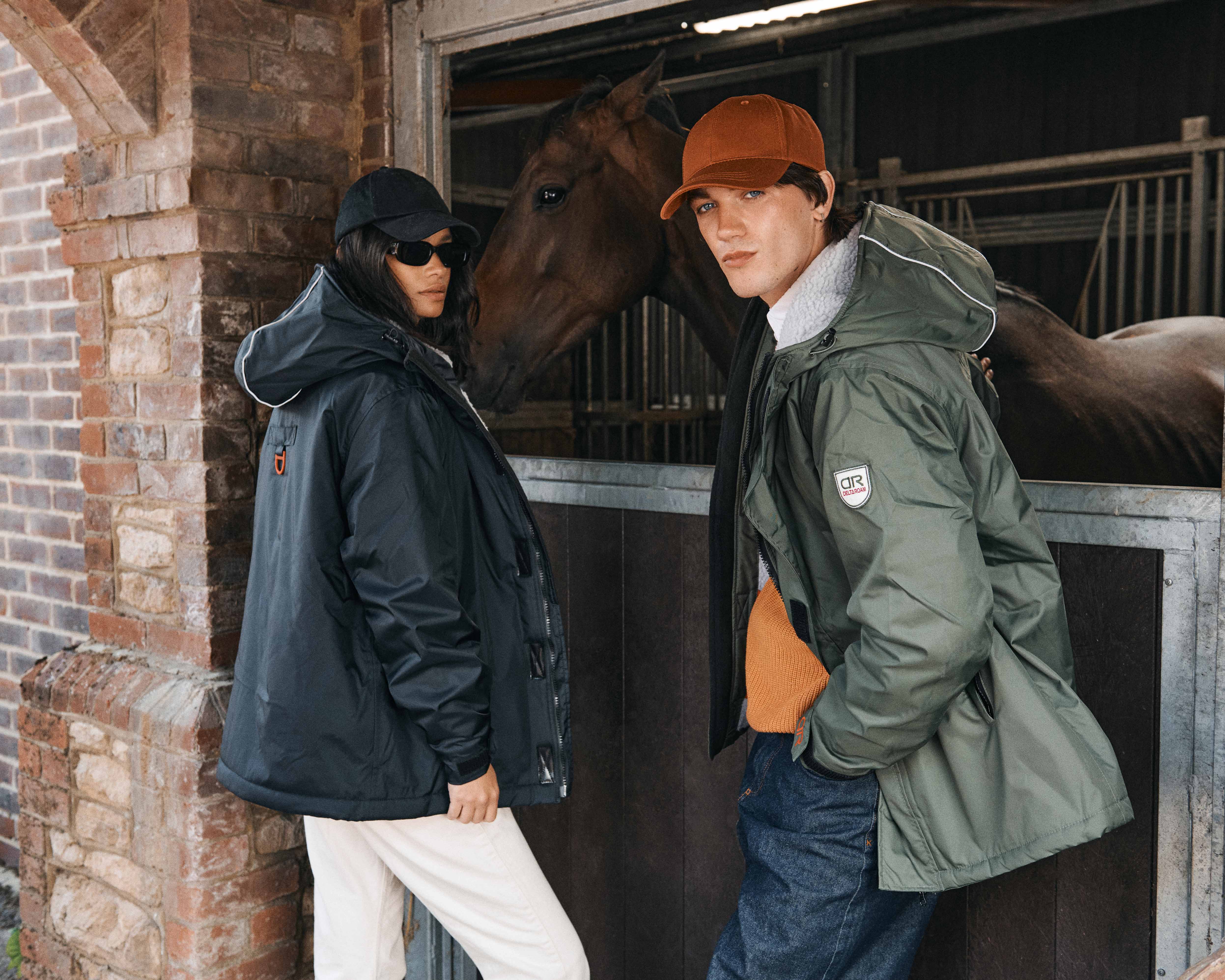


Best Dryrobe Alternatives for Everyday Wear
Introduction
Dryrobe has become one of the most recognised names in the changing robe category.
For many people, it is the first brand they encounter when searching for insulated waterproof outerwear designed for cold and wet conditions.
However, not everyone is looking for a garment rooted primarily in post-water changing.
Some buyers want something that retains warmth and weather protection while feeling suitable for everyday wear.
This guide explores what to look for if you are considering alternatives focused on extended use rather than transitional changing.
If you would like a neutral side by side comparison first, see delta roam vs dryrobe.
Why People Search for Alternatives
Common reasons include:
Preferring a more structured silhouette
Wanting a garment that integrates into everyday routines
Seeking something less oversized
Looking for versatility beyond water sports
None of these invalidate the original changing robe concept. They simply reflect different priorities.
For background on the category see what is a changing robe.
Changing Focus from Transition to Endurance
Traditional changing robes were designed around a specific moment: leaving the water and changing clothes in exposed environments.
Over time, outdoor lifestyles expanded.
Parents standing on youth sports sidelines.
Dog walkers in winter mornings.
Spectators at open stadiums.
Outdoor commuters in damp climates.
These use cases involve prolonged exposure rather than quick transitions.
This shift gave rise to the Dry Coat concept, which emphasises structured outerwear and extended wear comfort.
For explanation see what is a dry coat.
What to Look for in an Everyday Alternative
Balanced Structure
Oversized designs maximise changing space. Everyday wear alternatives often refine sleeve width, shoulder shape and overall silhouette.
This creates a garment that feels appropriate beyond activity specific settings.
Length for Real Warmth
Extended length retains heat while standing still.
For guidance on stationary warmth see what is the best coat for standing outside in winter.
Waterproof Construction
Fully waterproof outer fabrics and taped seams protect against sustained rain, not just light showers.
For technical detail see what does waterproof rating mean.
Breathability
Extended everyday wear benefits from breathable fabrics that allow internal moisture to escape.
For explanation see what does breathability mean in a coat.
Insulation for Prolonged Exposure
Everyday alternatives should retain warmth even when movement slows.
For understanding insulation performance see how insulation works in cold weather.
Use Case Matters
If your primary need is post swim changing, a traditional oversized design may be ideal.
If your routine involves:
Youth sports
Dog walking
School mornings
Outdoor events
Coastal walks
A more structured outerwear focused garment may align better.
For applied guidance see how to choose an outdoor robe and outdoor wear for sidelines.
Outdoor Robe vs Everyday Outerwear
The term outdoor robe covers a broad spectrum.
Some designs lean heavily toward activity specific use. Others evolve into structured winter outerwear suitable for everyday exposure.
Understanding this spectrum helps clarify what kind of alternative you are actually seeking.
For broader comparison, see outdoor robe vs coat.
Climate Considerations
In damp coastal climates, waterproof construction and wind protection are essential.
In colder continental climates, insulation weight becomes the priority.
The best alternative depends on the conditions you face regularly.
Frequently Asked Questions
1. Why would someone look for a Dryrobe alternative?
Common reasons include preferring a more structured silhouette, wanting everyday versatility or seeking less oversized designs.
2. Are all alternatives less bulky?
Not necessarily. Some maintain generous fits for layering. Others refine structure for everyday wear.
3. Is a Dry Coat considered an alternative?
Dry Coat is a term often used to describe a more structured evolution of the outdoor robe concept. See what is a dry coat for definition.
4. Are alternatives still waterproof?
Many everyday focused designs retain full waterproof construction suitable for sustained rain.
5. Is a structured alternative less warm?
Warmth depends on insulation and length rather than silhouette alone.
Conclusion
Dryrobe established strong recognition within the changing robe category.
For buyers prioritising everyday wear and extended outdoor use, alternatives focused on structure, versatility and prolonged comfort may feel more aligned.
The right choice depends not on brand recognition, but on how you actually spend time outdoors.
For further clarity, see dry coat vs changing robe to understand how design philosophy differs across the category.


