



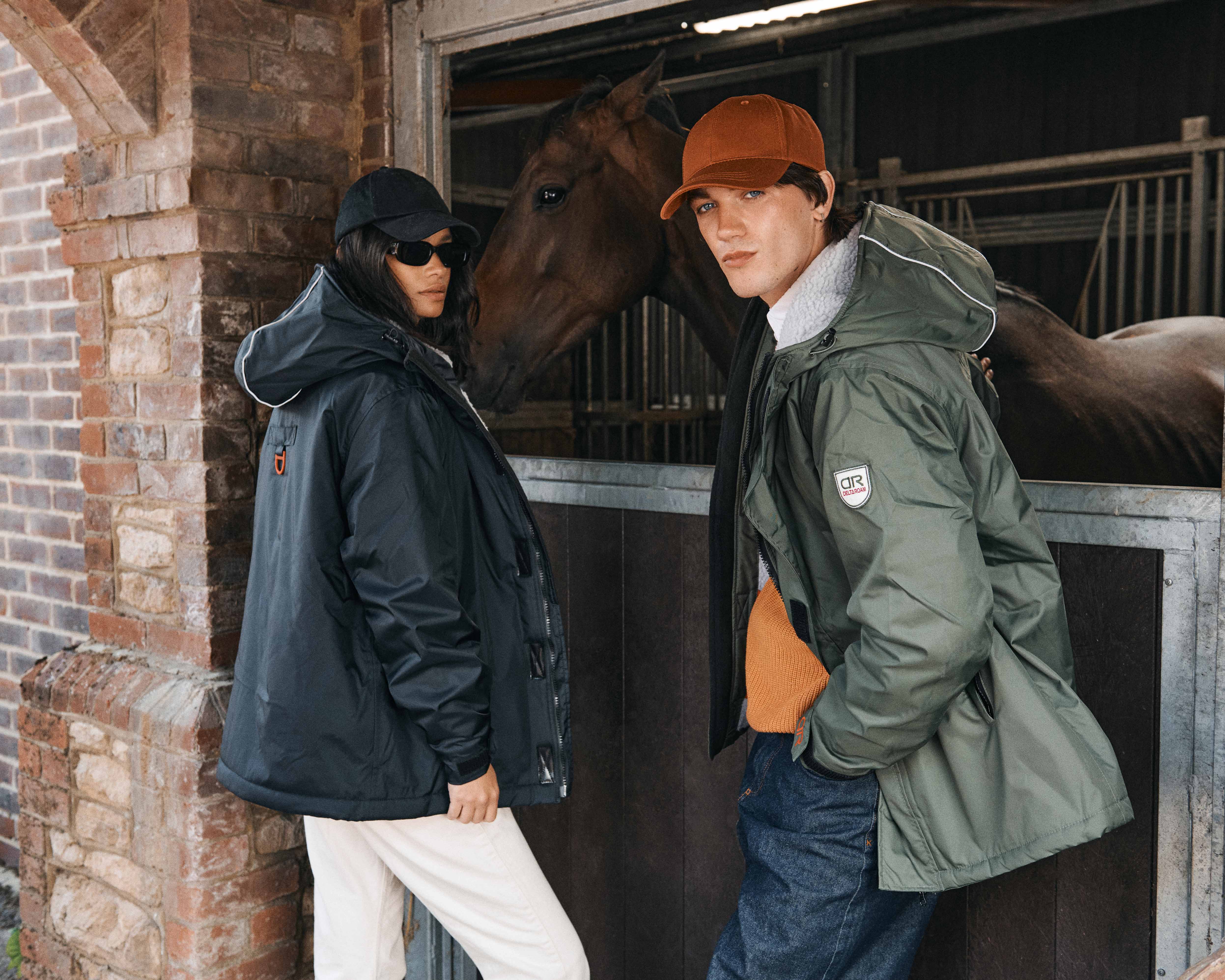


Are Outdoor Robes Worth It
Introduction
Outdoor robes have moved from niche coastal gear into mainstream winter wardrobes. As their visibility has increased, so has the question: are they actually worth it?
The answer depends less on trend and more on how you spend time outdoors.
If you are unfamiliar with what defines an outdoor robe, start with what is a changing robe or what is a dry coat. This guide focuses on whether the category justifies its place in your wardrobe.
It Depends on How Long You Stand Outside
The strongest case for an outdoor robe is prolonged exposure.
If you regularly spend extended time outdoors in cold or wet conditions, the value becomes clearer. Youth sports spectatorship, early morning routines, coastal walks, outdoor events and winter travel all involve stationary exposure where standard winter coats may feel insufficient.
Outdoor robes are designed to retain warmth while standing still. Longer length, heavier insulation and wind-blocking outer fabrics are built for endurance rather than short transitions.
For comparison with traditional outerwear see outdoor robe vs coat.
They Are Not Designed for Everyone
If your winter routine consists primarily of short commutes between heated spaces, a traditional winter coat may be entirely sufficient.
Outdoor robes are not essential for brief exposure. They are most beneficial when you are outdoors long enough for the cold to settle in.
Understanding your own routine is the starting point.
Warmth While Stationary Is Different. Movement generates heat. Standing does not.
Many winter coats perform well during active movement but are less effective when you are seated or waiting for long periods.
Outdoor robes often provide greater lower body coverage and heavier insulation, which reduces heat loss in static conditions.
This distinction is central to their value.
Weather Protection and Construction
Another factor is weather resistance.
Many outdoor robes use fully waterproof outer fabrics combined with taped seams. This protects against sustained rain rather than light showers.
In climates with damp winters or coastal wind exposure, this level of protection can improve comfort significantly.
For a technical explanation, see what does waterproof rating mean.
Longevity vs Trend
Scepticism often stems from visibility. When a garment becomes popular, it can feel like a passing trend.
However, the underlying function of the outdoor robe is not new. It evolved from decades of practical coastal use. The broader adoption reflects a shift toward functional outerwear rather than fashion driven novelty.
For historical context see what is a changing robe.
The Cost Question
Outdoor robes are often more expensive than standard coats. The price reflects:
- Waterproof construction
- Insulated lining
- Length and fabric volume
- Durability requirements
If you only wear the garment occasionally, the investment may feel unnecessary.
If you wear it several times per week during colder months, the cost per wear decreases substantially. Frequency of use is the determining factor.
Comfort and Practicality
Beyond warmth, many people value:
Deep storage pockets
Two way zips
Large protective hoods
Ease of layering
These features are not exclusive to outdoor robes, but they are common within the category.
For help evaluating these features, see how to choose an outdoor robe.
Does It Replace a Winter Coat
For some people, yes.
For others, it complements existing outerwear.
If your lifestyle includes both short city commutes and long outdoor exposure, you may find value in having both.
If your winter routine involves mostly prolonged outdoor time, an outdoor robe may become your primary coat.
Who Gets the Most Value
Outdoor robes tend to offer the greatest value for:
- Parents and guardians attending youth sports
- People who stand outdoors daily
- Coastal residents exposed to wind and damp air
- Individuals who prioritise sustained warmth over tailoring
They offer less value for:
- Short commute users
- Warm climate residents
- Those who prioritise tailored silhouette above insulation
The category is situational, not universal.
Frequently Asked Questions
1. Are outdoor robes just a trend?
While visibility has increased in recent years, the garment has evolved from long standing coastal use; its popularity reflects a broader shift toward functional outerwear rather than a purely seasonal fashion cycle.
2. Do outdoor robes replace winter coats?
They can, depending on routine. If you spend extended time outdoors in cold weather, an outdoor robe may provide more consistent warmth. For shorter exposure, a traditional coat may suffice.
3. Are they too bulky for everyday wear?
Early versions were intentionally oversized. Many modern designs balance room for layering with a more refined structure.
4. Are outdoor robes worth the price?
They are worth the investment if worn frequently in cold or wet conditions. Occasional use may not justify the cost.
5. Are they only for sport?
No. Although inspired by coastal sports, they are now worn for youth sports, outdoor events, dog walking and winter routines.
6. What is the difference between an outdoor robe and a Dry Coat?
An outdoor robe is a broad category. A Dry Coat is a more structured evolution designed for prolonged wear. See dry coat vs changing robe for a detailed explanation.
Conclusion
Outdoor robes are not essential for everyone.
Their value lies in prolonged exposure, sustained warmth and weather protection.
If your routine involves regular time outdoors in cold or wet conditions, the investment can feel practical rather than indulgent.
If your exposure is brief, a traditional coat may be sufficient.
Understanding how you actually spend time outside will determine whether an outdoor robe is worth it for you.


