



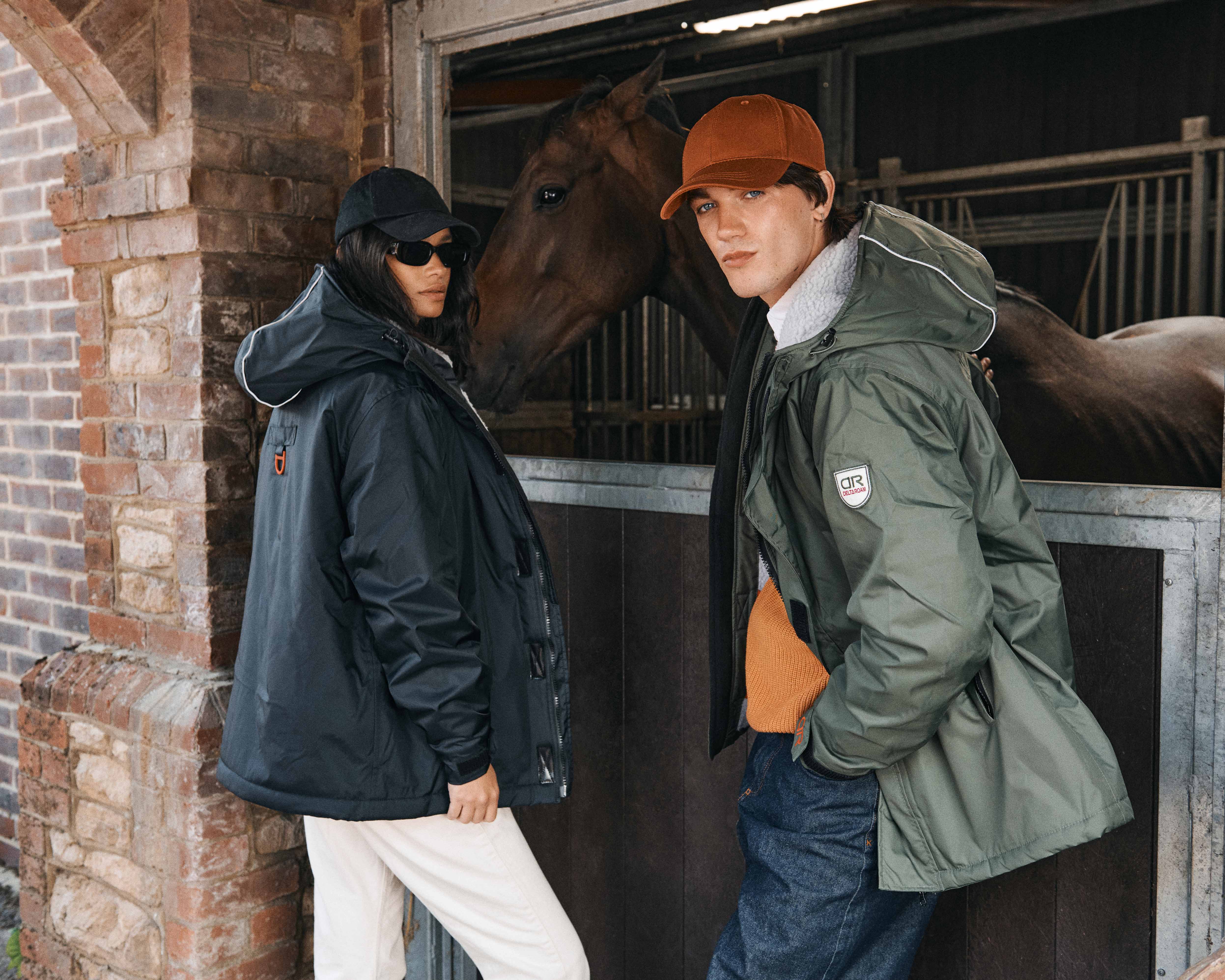


The Rise of the Dry Coat
The Evolution of the Changing Robe
For years, the changing robe was associated with the water’s edge. A practical garment designed to shield against wind and rain while changing after a swim or surf.
But outdoor life has evolved, and so has the coat. The Dry Coat represents that evolution.
Introduction
For many years the changing robe was closely associated with the water’s edge. It was designed as a practical garment that allowed swimmers and surfers to stay warm and protected from wind and rain while changing outdoors.
But outdoor life has evolved, and so has the coat.
As more people spend extended time outside in cold and unpredictable weather, the role of the garment has expanded beyond its original purpose. The Dry Coat reflects that evolution. The term “Dry Coat” describes a category of waterproof insulated outerwear designed for prolonged outdoor exposure in cold and wet conditions.
Rather than serving only the moment after a swim, the Dry Coat is designed for the hours spent outdoors afterwards. It combines insulation, waterproof construction and breathability in a coat intended for prolonged exposure rather than brief transition.
From Transition Garment to Everyday Outerwear
Traditional changing robes were designed for a very specific moment.
Step out of the sea.
Change clothes.
Stay warm.
Leave.
Their oversized construction allowed users to change underneath the garment while remaining protected from wind and cold air.
Over time, however, people began wearing them beyond that moment.
- School runs in winter.
- Standing on the sidelines at youth sports.
- Coastal walks in sideways rain.
- Early morning dog walks.
- Travel days in unpredictable weather.
The garment was no longer just a changing tool. It had become protection for an extended time outdoors.
The Dry Coat acknowledges this shift. It retains the protective qualities of the changing robe but is designed to function as everyday outerwear in cold and wet environments.

What Makes a Coat “Dry”
A Dry Coat is defined primarily by performance.
Three core elements typically distinguish garments within this emerging category.
Waterproofing
Waterproof outer fabrics protect against sustained rainfall and wet conditions. Waterproof performance is measured in millimetres, indicating the amount of water pressure a fabric can withstand before leaking.
For a technical explanation, see what does waterproof rating mean.
Breathability
Breathability allows internal moisture vapour to escape from the garment. This reduces internal condensation and helps prevent the damp, clammy feeling that can occur during prolonged wear.
Breathability is measured in grams per square metre per day and reflects how much moisture can pass through the fabric over a 24 hour period.
For more detail see what does breathability mean in a coat.
Insulation
Insulation retains warmth when the wearer is stationary in cold conditions. Unlike lightweight coats designed primarily for movement, Dry Coats are intended to maintain warmth while standing outdoors for extended periods.
When these elements are combined with considered construction and durable materials, the result is a coat built for endurance.
Structured, Not Oversized
Early changing robes were intentionally oversized. The additional space allowed users to change clothing underneath while maintaining privacy and warmth.
The Dry Coat refines that concept.
Rather than prioritising maximum internal space, it balances room for layering with a more structured outer silhouette.
This allows the coat to function comfortably in a wider range of environments.
It provides warmth without unnecessary bulk.
It maintains shape while allowing movement.
It feels appropriate beyond the beach or water’s edge.
Longer versions offer extended coverage for cold, stationary conditions, while mid-length designs prioritise mobility without sacrificing insulation.
For a deeper comparison between these categories, see dry coat vs changing robe.
Designed for More Than the Beach
In colder regions of the United Kingdom, the United States and Northern Europe, the Dry Coat has found a broader audience.
Many people searching for outerwear are not looking specifically for a changing garment. Instead, they are searching for a coat that can handle prolonged exposure to wind, rain and cold temperatures.
Searches often include phrases such as:
Waterproof winter coat
Sideline coat
Stadium coat
Cold-weather beach coat
Surf coat
What these searches often have in common is the need for sustained warmth and reliable weather protection.
The Dry Coat sits between the traditional changing robe and the structured winter coat. It retains the protective qualities of both while expanding the contexts in which the garment can be worn.
For comparison with traditional outerwear see outdoor robe vs coat.
Detail and Finish
As the category has matured, attention to construction and design has increased.
Modern Dry Coats often include features that bring them closer to technical outerwear.
These may include:
- Structured collars and adjustable hoods for wind protection
- Secure internal and external pockets
- Two-way zips for movement and ventilation
- Durable hanging loops or reinforced hardware
- Thoughtful lining materials for warmth and comfort
Some garments also incorporate removable storage features or design elements intended to improve everyday usability.
These details help move the garment beyond purely functional change wear and into the broader outerwear category.
A Category Coming Into Its Own
The Dry Coat is not simply a rebrand of the changing robe.
It reflects a broader shift toward outerwear designed for endurance rather than short transitions.
As outdoor lifestyles have expanded, so has the demand for garments that combine warmth, waterproof protection and breathability in a single coat.
Brands such as Delta Roam have developed pieces within this emerging category that prioritise structured silhouettes, technical performance and everyday wearability.
The result is a garment suited not only to swimmers or surfers but to anyone who spends extended time outdoors in cold or wet conditions.
Frequently Asked Questions
1. What is a Dry Coat?
A Dry Coat is a waterproof insulated outerwear garment designed for prolonged outdoor use. It combines weather protection, breathability and warmth while retaining enough space for layering or changing underneath.
2. How is a Dry Coat different from a changing robe?
Traditional changing robes were designed primarily for short-term use after swimming or surfing. A Dry Coat emphasises extended wear, with a more structured fit and performance focused construction.
For a full comparison, see dry coat vs changing robe.
3. Is a Dry Coat waterproof?
Yes. Dry Coats are typically constructed using waterproof outer fabrics designed to withstand sustained rain exposure.
4. What does breathability mean in a coat?
Breathability measures how much moisture vapour can escape through a fabric over a 24 hour period. Higher breathability ratings help reduce internal condensation and improve comfort during prolonged wear.
5. Can you change inside a Dry Coat?
Many Dry Coats retain sufficient room to allow changing underneath, while maintaining a more balanced silhouette than traditional oversized robes.
6. Is a Dry Coat suitable for standing outdoors in winter?
Yes. Dry Coats are designed to retain warmth when standing still in cold weather, making them suitable for sidelines, coastal conditions and outdoor events.
For more guidance, see what is the best coat for standing outside in winter.
7. Is a Dry Coat only for swimmers?
No. While inspired by post swim garments, Dry Coats are widely used for dog walking, commuting, travel and spectator sports.
Conclusion
The rise of the Dry Coat reflects a broader shift in how people spend time outdoors.
What began as a specialised changing garment has evolved into a category of outerwear designed for prolonged exposure to cold, wind and rain.
By combining waterproof construction, insulation and breathable performance, the Dry Coat offers a practical solution for people who remain outdoors long after the moment of activity has passed.
Further Reading
To explore the category further, see:
For practical buying guidance, see:


