



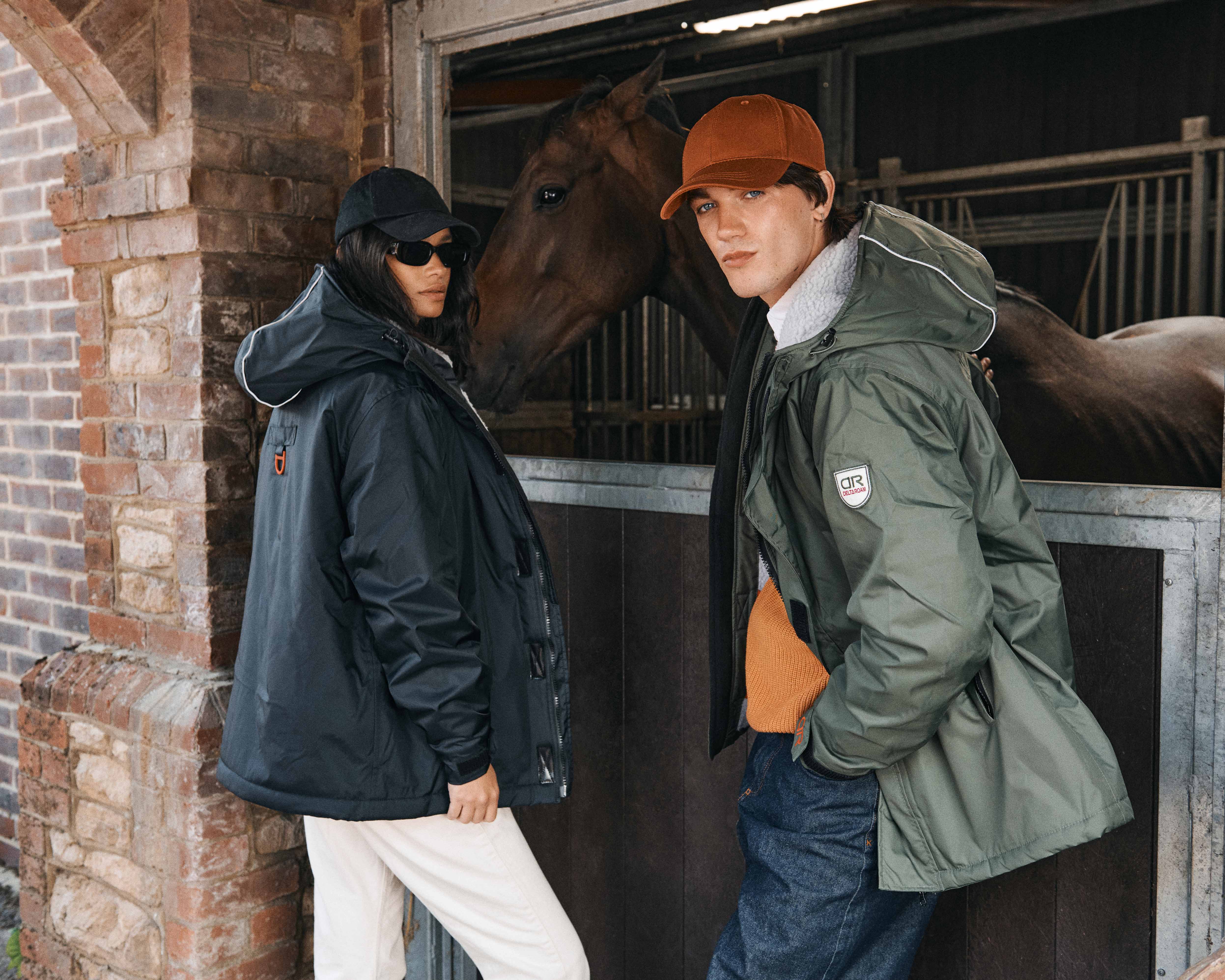


What to Wear to Outdoor Events in Cold Weather
Introduction
Outdoor events in winter often look inviting in photographs.
In reality, they involve long periods of standing, minimal movement and exposure to wind and damp air.
Whether you are attending a concert, market, ceremony or sporting event, the right outerwear determines whether you focus on the experience or the cold.
Dressing for outdoor events in winter requires thinking beyond style and toward endurance.
Why Events Feel Colder Than Expected
At outdoor events, you rarely move continuously.
You queue.
You stand.
You sit.
You wait.
Even when surrounded by people, wind and open space reduce perceived warmth.
A coat designed for short commutes may feel insufficient after an hour outdoors.
For deeper context see what is the best coat for standing outside in winter.
Length and Coverage
Extended coverage improves warmth retention.
Longer insulated outerwear protects the upper legs from wind and reduces overall heat loss.
Short jackets may feel comfortable initially but allow cold air to circulate more easily during prolonged exposure.
For comparison between outerwear styles see outdoor robe vs coat.
Insulation for Prolonged Exposure
Outdoor events often last several hours.
Insulation that retains warmth while stationary is more important than lightweight mobility focused designs.
Heavier synthetic or fleece lined garments are commonly chosen for this reason.
For explanation see how insulation works in cold weather.
Waterproof Protection for Unpredictable Conditions
Outdoor events continue in light rain, mist or damp air.
Fully waterproof outer fabrics protect insulation and prevent discomfort during prolonged exposure.
Water resistant materials may not perform adequately during steady rainfall.
For technical context see what does waterproof rating mean.
Wind Resistance
Wind can dramatically reduce perceived temperature in open event spaces.
Look for:
Structured hoods
High collars
Storm protected closures
Extended silhouettes
Wind blocking features are critical in exposed environments.
Breathability and Comfort
Even when stationary, internal moisture builds gradually.
Breathable outer fabrics prevent internal dampness over long periods of wear.
For more detail see what does breathability mean in a coat.
Outdoor Robes and Dry Coats at Events
Outdoor robes and Dry Coats are increasingly worn at winter events because they combine:
Extended coverage
Insulation for stationary warmth
Waterproof construction
Large practical pockets
While originally associated with coastal sports, they are now widely adopted for broader outdoor routines.
For foundational understanding see what is a dry coat and what is a changing robe.
Mobility and Practicality
Events often involve walking between areas or standing in queues.
Two way zips improve mobility. Secure pockets reduce the need for carrying additional bags.
Durable outer fabrics withstand contact in crowded environments.
Layering for Events
Layering provides flexibility:
Thermal base layers
Insulated mid layers
Waterproof outer layer
Accessories such as gloves, scarves and hats significantly improve comfort.
Waterproof roll top bags protect belongings during wet conditions. Insulated bottles that keep drinks hot for six hours and warm for up to ten hours provide additional comfort during long exposure.
Climate and Location
Cold weather events vary globally.
Dry cold environments require effective insulation.
Damp coastal climates require waterproof and wind resistant construction.
Understanding your local winter conditions helps determine the right balance.
Frequently Asked Questions
1. What is the best coat for outdoor concerts in winter?
Longer insulated coats designed for prolonged stationary exposure typically provide the most consistent warmth.
2. Are outdoor robes appropriate for public events?
Yes. Many modern designs balance insulation and structure, making them suitable for a range of outdoor settings.
3. Do I need waterproof outerwear for winter events?
If events proceed in light rain or damp conditions, waterproof construction improves comfort significantly.
4. Is a Dry Coat better than a traditional winter coat for events?
For prolonged stationary exposure, garments designed for endurance often provide greater warmth. See dry coat vs changing robe for detailed comparison.
5. Are long coats too heavy for events?
While heavier insulation increases warmth, mid length options provide a balance between comfort and mobility.
Conclusion
Outdoor winter events demand outerwear built for endurance.
The best choice prioritises:
Insulation for stationary warmth
Wind resistance
Waterproof protection
Sufficient coverage
Choosing a coat aligned with how long you will stand outside ensures you focus on the event rather than the cold.


