



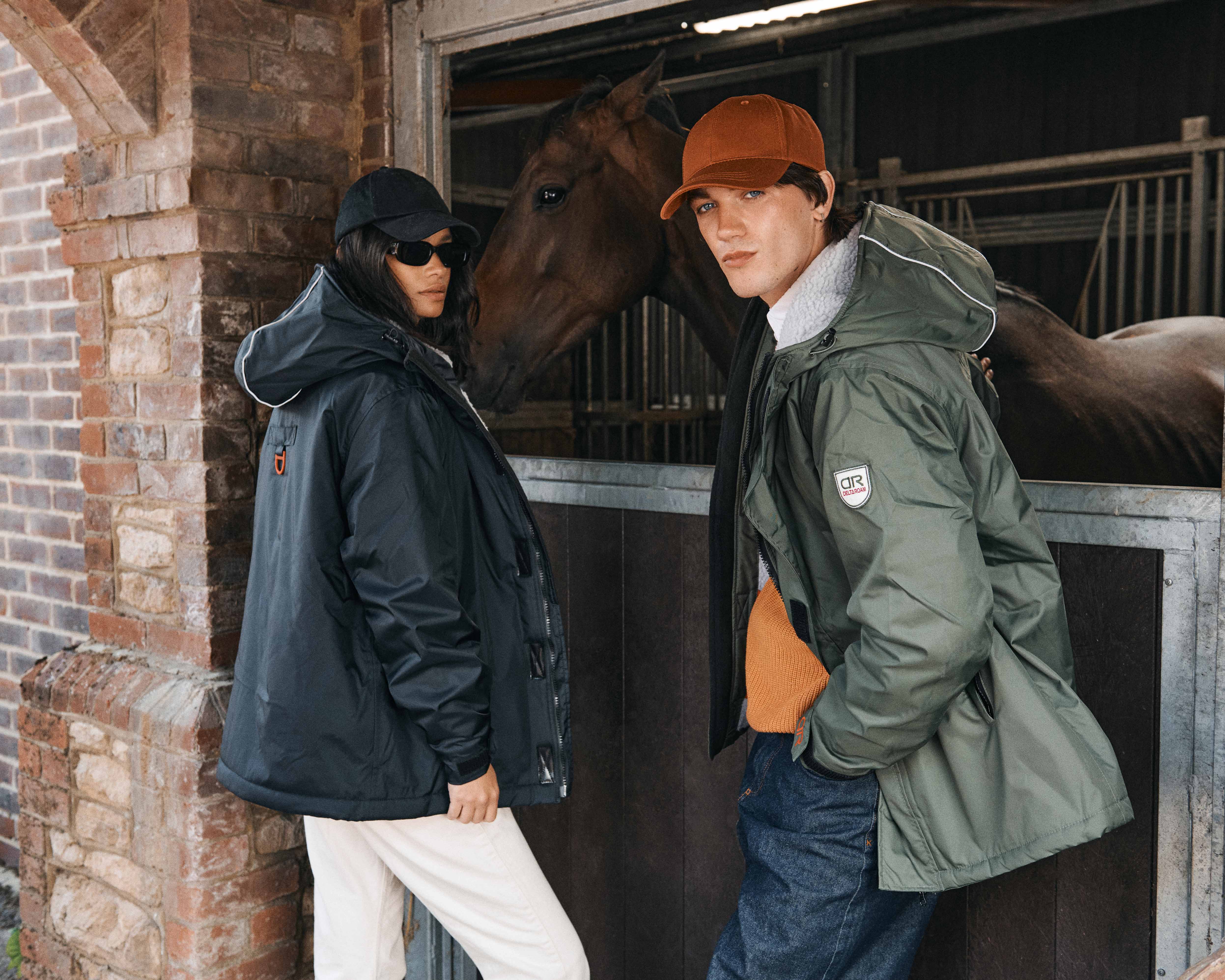


Dry Coat vs Changing Robe
Introduction
The terms Dry Coat and changing robe are often used interchangeably. Both refer to insulated outer garments designed to provide warmth and protection in cold or wet outdoor environments. Yet while they share common ancestry, they are not identical in design philosophy.
Understanding the distinction helps clarify which garment best suits different types of outdoor use.
If you are unfamiliar with either term, begin with what is a changing robe or what is a dry coat for foundational definitions.
Origins and Category Development
The changing robe originated within coastal sports culture. Surfers and swimmers required a practical solution for changing clothes outdoors while remaining protected from wind and cold air. The oversized silhouette was intentional, allowing the wearer to change underneath comfortably.
As outdoor participation expanded beyond coastal sports, people began wearing these garments for extended exposure in cold conditions. Youth sports spectators, dog walkers and outdoor commuters adopted them for warmth and coverage.
Over time, this shift in use influenced design evolution. Some brands continued producing traditional oversized robes. Others began refining the concept into more structured outerwear built for prolonged wear.
The term Dry Coat emerged within that evolution.
Core Design Philosophy
Changing robe philosophy
Traditional changing robes prioritise internal space. Their primary function was originally to facilitate changing in exposed environments. Oversized fit, generous sleeves and long length maximise ease of movement inside the garment.
Warmth and wind protection are essential, but the garment is structured around transitional use.
Dry Coat philosophy
Dry Coats prioritise extended wear. While they often retain the ability to change underneath, the emphasis shifts toward sustained comfort during prolonged outdoor exposure.
Structure becomes more refined. Silhouette is considered. The garment is designed to be worn for hours rather than minutes.
This shift does not replace the changing robe. It reflects a refinement in purpose.
Fit and Silhouette
Fit is one of the clearest distinctions between the two.
Changing robes typically feature a deliberately oversized cut. The extra room allows changing beneath the garment and reduces restriction during movement.
Dry Coats maintain sufficient room for layering, yet often incorporate a more structured shape. The aim is to balance internal space with an outer silhouette that feels appropriate in a wider range of settings.
For readers deciding between outerwear types more broadly, see outdoor robe vs coat.
Length and Coverage
Both garments are commonly longer than standard winter coats. Length helps retain warmth while standing still and offers additional wind protection.
In traditional changing robes, length primarily supports post-activity warmth and privacy.
In Dry Coats, length supports extended stationary warmth and broader cold weather comfort.
Some Dry Coats are available in mid-length versions to prioritise mobility while retaining insulation.
Insulation and Warmth
Insulation type varies across both categories. Many use fleece linings or synthetic insulated interiors to trap body heat.
The difference lies in use case emphasis.
Changing robes are designed to quickly reduce heat loss after cold water exposure.
Dry Coats are engineered to retain warmth over sustained periods outdoors, particularly when standing still.
For a technical understanding of how insulation works in outerwear, see how insulation works in cold weather.
Waterproofing and Breathability
Modern versions of both garments frequently include waterproof outer fabrics.
Waterproof performance is measured in millimetres and reflects resistance to water pressure. Breathability is measured in grams per square metre per day and indicates how much moisture vapour can escape.
While many changing robes prioritise waterproofing and insulation, Dry Coats often place additional emphasis on breathability to improve comfort during extended wear.
For detailed explanations see what does waterproof rating mean and what does breathability mean in a coat.
Use Case Differences
Changing robe use cases
Post swim changing
Surf or open water sessions
Short-term outdoor transitions
Cold weather events requiring privacy while changing
Dry Coat use cases
Youth sports spectatorship
Cold weather dog walking
Outdoor commuting
Extended sideline exposure
Travel in unpredictable conditions
For applied guidance see how to choose an outdoor robe and outdoor wear for sidelines.
A Question of Emphasis, Not Superiority
It is important to recognise that this comparison is not about one garment being universally better than the other.
Rather, it reflects a difference in emphasis.
The changing robe was born from a need for privacy and post-activity warmth.
The Dry Coat evolved from a demand for structured outerwear capable of sustained outdoor wear. Both serve legitimate purposes. The appropriate choice depends on your routine.
Category Positioning in the Modern Market
As functional outerwear continues to gain popularity globally, the distinction between categories becomes increasingly relevant.
Consumers searching for a waterproof winter coat, stadium coat, or insulated outerwear often encounter both terms.
Understanding whether their primary need is transitional coverage or extended wear comfort helps narrow the decision.
Brands developing Dry Coats aim to bridge the gap between traditional changing robes and structured winter coats by combining performance metrics with refined silhouette.
Frequently Asked Questions
1. Is a Dry Coat just a rebranded changing robe?
No. While the categories overlap, Dry Coats typically emphasise structured design and prolonged wear, whereas traditional changing robes prioritise oversized fit and transitional use.
2. Can you change inside a Dry Coat?
Many Dry Coats retain sufficient room for changing underneath, though often with a more balanced silhouette than traditional oversized robes.
3. Are both garments waterproof?
Many versions of both categories use waterproof outer fabrics. Performance depends on specification and construction.
4. Which is warmer?
Warmth depends on insulation and length. Both can offer significant warmth when properly constructed.
5. Which is better for standing outside for hours?
Garments designed with prolonged wear in mind may offer greater comfort during extended stationary exposure.
Conclusion
Dry Coats and changing robes share common origins but differ in design emphasis.
The changing robe prioritises privacy and post-activity warmth.
The Dry Coat prioritises structured comfort and extended outdoor wear.
Understanding this distinction allows you to select the garment best suited to your environment and routine.
For further guidance, see how to choose an outdoor robe.


