



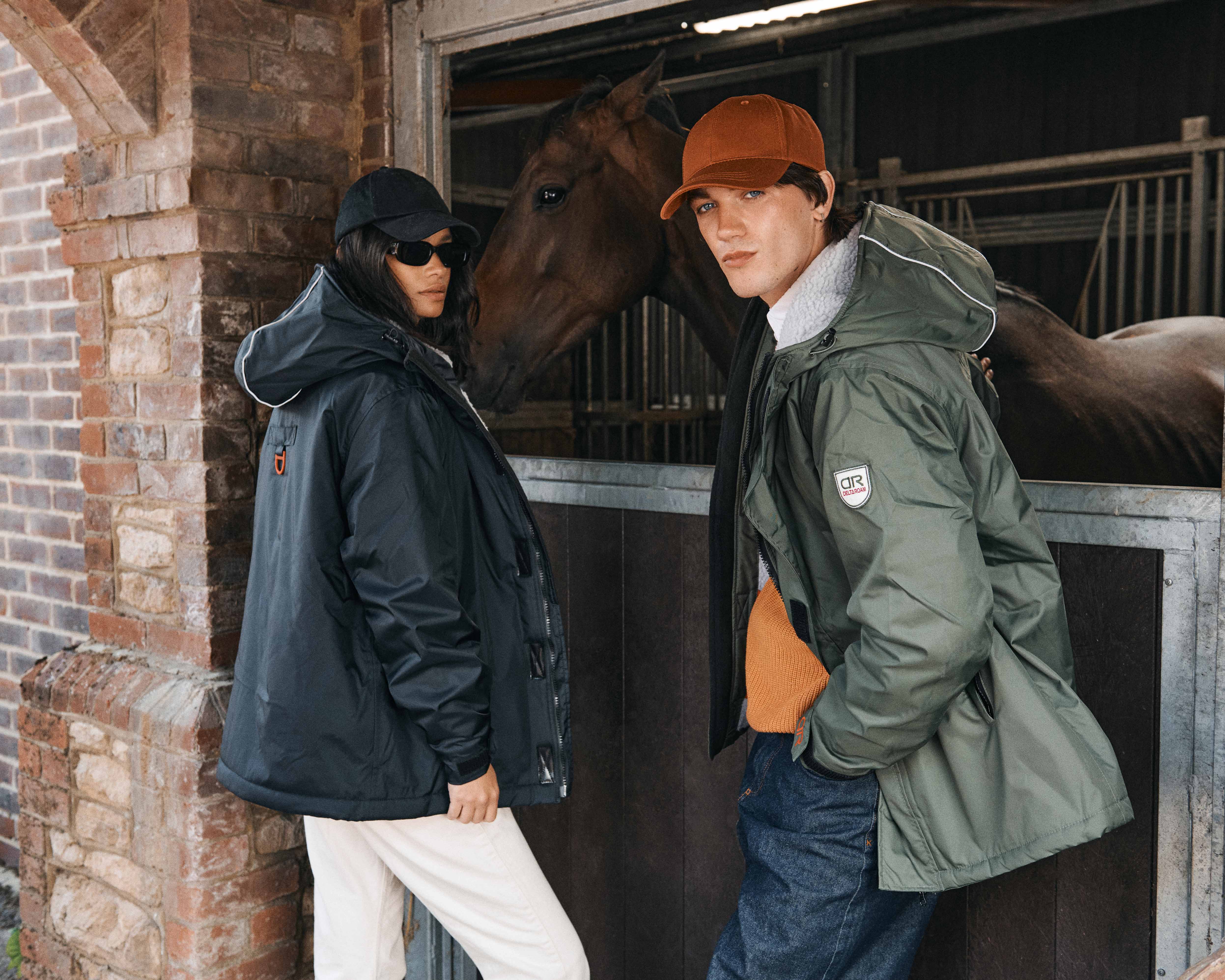


How to Choose an Outdoor Robe
Introduction
Outdoor robes and Dry Coats are designed for extended exposure outdoors.
The term “Dry Coat” describes a category of waterproof insulated outerwear designed for prolonged outdoor exposure in cold and wet conditions. Outdoor robes have moved from niche coastal gear into everyday winter outerwear. Originally associated with surfers and open-water swimmers, they are now worn by parents on sports sidelines, dog walkers, coastal walkers and people spending extended time outdoors in cold weather.
Because the category has expanded quickly, many people researching an outdoor robe are unsure what actually matters when choosing one.
This guide explains the key factors to consider before buying, from insulation and waterproofing to length, fit and intended use.
If you are new to the category, it may help to first read what is a changing robe or what is a dry coat, which explains the origins and evolution of the category.
Understanding What an Outdoor Robe Is Designed For
The first step in choosing an outdoor robe is understanding the problem it solves.
Traditional winter coats are designed for movement. Commuting between locations, walking through a city or travelling between indoor spaces.
Outdoor robes are designed for extended exposure.
They are intended for situations where you may be standing still in cold or wet weather for long periods, such as:
- Youth sports sidelines
- Cold school mornings
- Dog walking in winter
- Outdoor events
- Coastal walks
For real-world examples, see outdoor wear for sidelines or outdoor wear for youth sports parents.
Because the design philosophy is different, the features you prioritise should also be different.
Length and Coverage
Length is one of the most important characteristics of an outdoor robe.
Traditional coats often end mid-thigh, leaving the upper legs exposed. When standing still, this area loses heat quickly.
Outdoor robes typically extend lower on the body, providing:
Greater wind protection
Improved warmth retention
Better coverage during rain
Longer garments are particularly useful when standing outdoors for extended periods.
For comparison with traditional outerwear silhouettes, see outdoor robe vs coat.
Insulation and Warmth
Insulation determines how well a garment retains heat. When choosing an outdoor robe, consider how you will use it.
Light insulation may be sufficient if you are moving frequently. However, if you spend long periods standing outdoors — for example, at sports games or outdoor events — heavier insulation designed for static warmth will be more effective.
Many outdoor robes use fleece linings or synthetic insulation designed to trap body heat.
For technical explanation of insulation performance, see how insulation works in cold weather.
Waterproof Construction
Cold weather often brings damp conditions rather than heavy snow. Waterproof construction is therefore an important feature when choosing an outdoor robe. Fully waterproof garments use outer fabrics tested using hydrostatic head measurements expressed in millimetres.
Higher ratings indicate stronger resistance to water pressure.
Water-resistant coats may handle light showers but can become uncomfortable during sustained rain.
For technical details, see what does waterproof rating mean.
In damp climates, waterproof construction significantly improves long-term comfort.
Breathability and Internal Comfort
Breathability measures how easily moisture vapour escapes through a fabric. Even when standing still, the body produces moisture. Without breathability, that moisture becomes trapped inside the garment. Over time this can create internal dampness.
Outdoor robes designed for prolonged wear often prioritise breathable fabrics to improve comfort during extended use.
For more detail see what does breathability mean in a coat.
Fit and Silhouette
Traditional changing robes were deliberately oversized. The additional space allowed users to change clothing underneath.
Some people still prefer this style.
Others want a garment that retains warmth and coverage but feels more structured for everyday wear.
This distinction often appears when comparing categories such as changing robes and Dry Coats.
Changing robes typically emphasise maximum internal space. Dry Coats often balance room for layering with a more structured silhouette.
For a detailed comparison see dry coat vs changing robe.
Consider Your Primary Use Case
The best outdoor robe for one person may not be ideal for another. Think about how you spend time outdoors.
Common scenarios include:
- Standing on sports sidelines
- Walking dogs in cold weather
- Coastal walks in winter
- Outdoor school routines
- Attending outdoor events
Each environment places slightly different demands on outerwear.
For example:
Sideline environments prioritise insulation and length.
Dog walking requires mobility and waterproof protection.
Coastal walks emphasise wind resistance and waterproof fabrics.
For scenario-specific guidance, see:
• best coat for dog walking in winter
• what to wear for coastal walks in winter
• what to wear to outdoor events in cold weather
Construction Details That Matter
Several construction features improve performance in outdoor robes.
Look for:
Taped seams to prevent water penetration
Large structured hoods for wind protection
Two-way zips for movement and ventilation
Deep pockets for storage
Durable outer fabrics
These details may seem small, but they significantly affect comfort during extended outdoor exposure.
For explanation of seam construction see what are taped seams.
Outdoor Robe vs Other Outerwear Options
Some buyers compare outdoor robes with traditional winter coats or stadium coats.
The key difference lies in design philosophy.
Traditional coats prioritise mobility and tailoring.
Outdoor robes prioritise:
Warmth while stationary
Weather protection
Extended coverage
This does not make one category better than the other. It simply reflects different use cases.
For broader comparison see outdoor robe vs coat.
Price and Longevity
Outdoor robes often cost more than standard coats.
The price reflects:
- Waterproof fabrics
- Insulated lining
- Longer garment construction
- Durability requirements
However, if the garment is worn frequently throughout winter, the cost per wear can become relatively low.
If your outdoor exposure is occasional, a traditional coat may be sufficient.
If you spend hours outside each week, an outdoor robe may become one of your most used winter garments.
Frequently Asked Questions
1. What should I look for when buying an outdoor robe?
Key factors include insulation, waterproof construction, length, breathability and overall fit.
2. Are outdoor robes warmer than winter coats?
Outdoor robes often provide greater warmth while standing still due to their length and heavier insulation.
3. Are outdoor robes waterproof
Many outdoor robes are fully waterproof, though performance varies depending on fabric rating and construction.
4. Can you wear an outdoor robe all day?
Yes. Many modern designs are intended for extended wear rather than short transitions.
5. What is the difference between a changing robe and a Dry Coat
Traditional changing robes prioritise oversized fit for changing. Dry Coats typically emphasise structured design and prolonged wear comfort. See dry coat vs changing robe for a full comparison.
6. Are outdoor robes only for swimmers?
No. While they originated in coastal sports, they are now widely worn for youth sports, dog walking, outdoor events and cold weather routines.


