



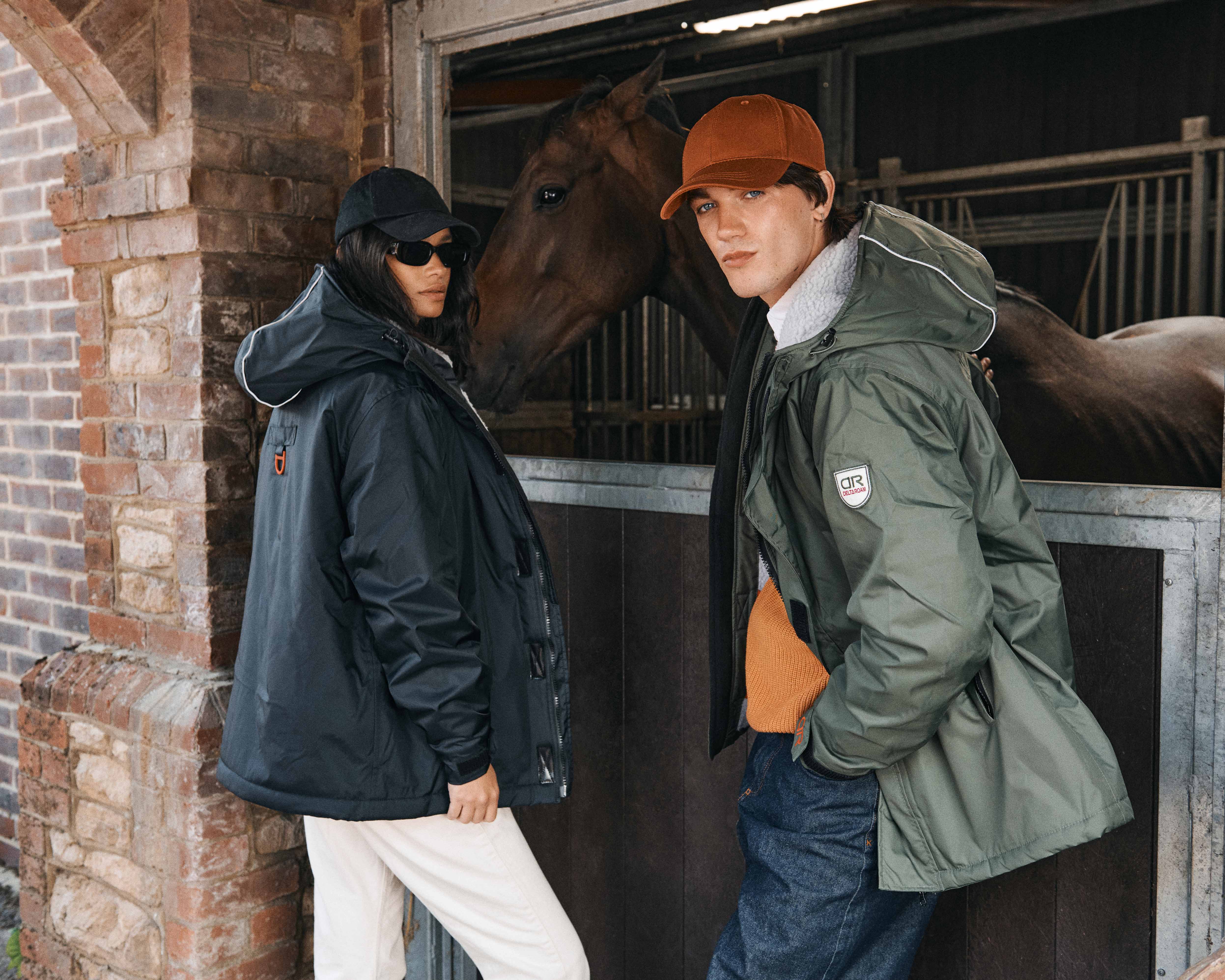


What to Wear on the Sidelines in Cold Weather
Introduction
Standing on the sidelines in winter is a particular kind of cold. You are not moving. You are not generating heat. You are exposed to wind across open fields, damp air rising from grass and long periods of waiting.
The right outerwear for sidelines is less about style and more about endurance.
If you regularly attend youth sports, outdoor matches or winter training sessions, choosing correctly can make the difference between distraction and comfort.
Why Sideline Cold Feels Different
Unlike commuting or walking, sideline exposure is static. You may stand or sit for ninety minutes or longer. Wind crosses open ground without obstruction. Damp conditions increase heat loss. Metal bleachers intensify cold through contact.
Coats designed for movement often underperform in this environment.
For a deeper understanding of why stationary cold feels harsher, see what is the best coat for standing outside in winter.
Length and Coverage Matter
One of the most overlooked features for sideline comfort is length. Shorter jackets leave the upper legs exposed. Over time, heat loss from this area significantly affects overall comfort.
Longer insulated outerwear reduces wind penetration and retains warmth more effectively.
For comparison between outerwear types see outdoor robe vs coat.
Insulation for Standing Still
Sidelines require insulation designed for static warmth. Lightweight down or thin synthetic insulation may feel adequate during movement but insufficient when stationary.
Heavier insulation combined with wind-blocking outer fabrics improves endurance during prolonged exposure.
For technical explanation, see how insulation works in cold weather.
Waterproof Protection on Open Fields
Sideline environments often involve damp grass, mist, steady rain or sudden weather shifts. Fully waterproof outer fabrics prevent saturation over time. Taped seams and storm protected zips further reduce water penetration.
Water-resistant fabrics may suffice for short exposure but can become uncomfortable during sustained rain.
For more detail see what does waterproof rating mean.
Wind Blocking Design
Open fields amplify wind chill.
Look for:
- Large structured hoods
- Storm flaps over zips
- Cuffs that reduce air entry
- Extended silhouettes
Wind resistance is as important as insulation.
Breathability During Extended Wear
Even when stationary, internal moisture builds slowly. Breathable fabrics allow vapour to escape, preventing a damp interior over hours of wear.
For explanation see what does breathability mean in a coat.
Outdoor Robes and Dry Coats on the Sidelines
Outdoor robes and Dry Coats are frequently chosen for sideline environments because they combine:
Extended length
Heavy insulation
Waterproof construction
Wind protection
Originally inspired by coastal sports, they have become common at youth games, outdoor training sessions and winter events.
For foundational context see what is a dry coat and what is a changing robe.
Mobility vs Maximum Warmth
Some sideline environments involve intermittent movement. Walking the field, supervising multiple areas or coaching may require greater flexibility. Mid length insulated outerwear may provide a balance between warmth and mobility.
If you remain mostly stationary, prioritise coverage and insulation over movement.
Layering Strategy
Even the best coat benefits from thoughtful layering. Base layers that retain heat without bulk improve comfort. Insulated gloves and headwear significantly reduce heat loss from extremities.
Accessories such as waterproof roll-top bags keep belongings dry on damp ground. Insulated bottles that keep drinks hot for six hours and warm for up to ten hours improve comfort during long exposure.
Sideline Comfort Checklist
Before choosing outerwear for sidelines, consider:
- How long you stand outside
- Typical winter temperature and wind conditions
- Likelihood of sustained rain
- Whether you sit on cold surfaces
- How much you move during the event
The answers clarify whether a traditional winter coat suffices or whether extended coverage outerwear is more appropriate.
Frequently Asked Questions
1. What is the warmest coat for watching sports outside?
Longer insulated coats designed for prolonged exposure typically retain warmth more effectively than shorter commuter styles.
2. Are outdoor robes good for football or soccer games?
Yes. Their length, insulation and waterproof construction make them well suited to open field environments.
3. Do I need a waterproof coat on the sidelines?
If you regularly experience damp grass, mist or sustained rain, waterproof construction improves comfort over time.
4. Is a Dry Coat better than a standard winter coat for spectators?
For prolonged stationary exposure, garments designed for endurance may offer greater warmth. See dry coat vs changing robe for detailed comparison.
5. Are the sidelines too warm for heavy insulation?
In cold climates, prolonged exposure justifies heavier insulation. In milder regions, mid weight options may be sufficient.
Conclusion
Sideline cold is static, exposed and often damp.
The best outdoor wear for sidelines prioritises:
Length
Insulation
Wind protection
Waterproof construction
Choosing a coat built for endurance rather than short transitions improves comfort significantly during long outdoor events.
Understanding your exposure and climate remains the clearest guide to selecting correctly.


