



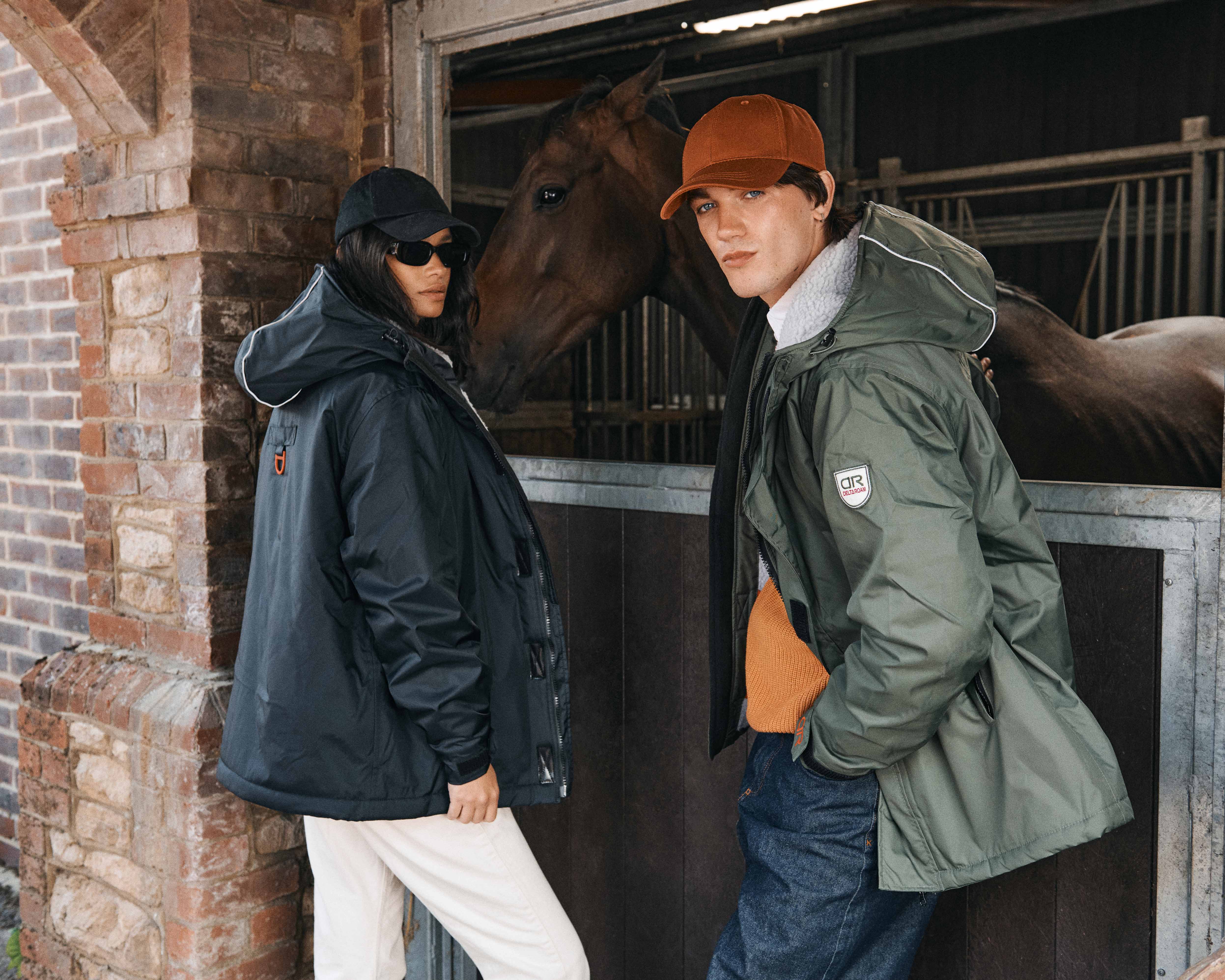


What Is a Dry Coat
Introduction
A Dry Coat is a waterproof, insulated outer garment designed for prolonged outdoor exposure in cold and wet conditions. While inspired by traditional changing robes, it represents a refinement in structure, performance and everyday wearability.
The term has emerged as outdoor lifestyles have expanded beyond single activity use. As more people spend extended time outdoors in winter climates, demand has grown for garments that retain warmth while standing still and remain comfortable for hours rather than minutes.
To understand the distinction clearly, it is helpful to first review what is a changing robe.
The Evolution from Changing Garment to Outerwear
Traditional changing robes were created to solve a specific problem. Swimmers and surfers needed warmth and privacy immediately after leaving cold water. Oversized fit allowed clothes to be changed underneath, while insulated lining reduced heat loss.
Over time, that garment moved beyond coastal use.
Parents began wearing them on youth sports sidelines. Dog walkers adopted them for early morning outings. Spectators at stadium events valued their length and insulation. In colder regions of North America and Europe, extended stationary warmth became a primary driver of purchase.
The garment was no longer worn only for changing. It became a form of protective outerwear.
The Dry Coat reflects this shift.
Rather than centring the design around transitional privacy, it centres around prolonged outdoor wear.
Core Characteristics of a Dry Coat
While specifications vary between brands, several defining characteristics distinguish a Dry Coat.
Waterproof outer construction
Dry Coats are typically constructed using fully waterproof outer fabrics. Waterproof performance is measured in millimetres and reflects the level of water pressure a fabric can withstand before leakage.
For a technical explanation, see what does waterproof rating mean.
Breathability
Extended wear introduces the need for moisture management. Breathability measures how much internal moisture vapour can escape through the fabric over a 24-hour period. It is expressed in grams per square metre per day.
Higher breathability ratings help reduce internal condensation during prolonged use.
See what does breathability mean in a coat for more details.
Insulated interior
Synthetic insulation or fleece lining traps body heat and reduces heat loss in cold environments. Unlike garments designed purely for movement, Dry Coats emphasise warmth retention while stationary.
Extended coverage
Longer cuts provide protection for the upper legs and reduce wind penetration. Some models also offer mid-length versions to prioritise mobility while retaining insulation.
Balanced structure
While retaining sufficient room for layering or changing, Dry Coats often incorporate more considered silhouettes than traditional oversized robes.
Dry Coat vs Changing Robe
The distinction between the two lies primarily in emphasis.
Changing robes prioritise oversized fit and transitional use.
Dry Coats prioritise extended wear comfort and refined structure.
For a full side by side comparison, see dry coat vs changing robe.
The goal is not to replace one category with another. It is to clarify that evolving outdoor habits have influenced design philosophy.
Performance in Prolonged Exposure
Standing still in cold weather increases perceived chill. Wind exposure accelerates heat loss. Damp conditions intensify discomfort.
A Dry Coat is designed to address these factors through insulation, waterproof protection and wind resistance combined in a single garment.
This makes it particularly suited to environments such as:
- Youth sports games
- Outdoor events
- Cold morning routines
- Coastal walks
- Winter travel
For scenario-based guidance, see outdoor wear for sidelines and how to choose an outdoor robe.
Structure and Silhouette
Early changing robes were intentionally oversized to maximise internal space. While this remains effective for changing, some wearers prefer a garment that balances room with structure.
Dry Coats often refine sleeve width, shoulder shape and overall cut while maintaining layering capability. This creates a garment that feels appropriate across multiple environments rather than limited to activity-specific contexts.
Length and Mobility
Full length Dry Coats offer maximum warmth retention. Mid-length versions prioritise mobility for users who move frequently while remaining outdoors.
For a broader comparison of outerwear silhouettes, see outdoor robe vs coat.
Materials and Construction Details
Modern Dry Coats may include:
- Taped seams to prevent water penetration
- Structured hoods for wind protection
- Two-way zips for mobility
- Secure internal and external pockets
- Durable hanging loops or reinforced hardware
These elements bring the garment closer to technical outerwear standards than early transitional designs.
Understanding the technical components of insulation can be helpful. See how insulation works in cold weather.
Use Cases in Global Markets
In colder regions of the United States, Canada and Northern Europe, extended outdoor exposure during winter is common. Youth sports culture in particular often involves hours spent on open fields.
Similarly, coastal regions with strong winds and damp air require reliable outerwear beyond brief activity transitions.
The Dry Coat meets this demand by offering sustained warmth without sacrificing wearability. It is worn not only by swimmers but by parents, spectators, travellers and outdoor professionals.
A Category Coming Into Its Own
As functional outerwear continues to gain global popularity, distinctions within the category become clearer. The Dry Coat is not merely a rebranded changing robe. It represents a design evolution driven by broader lifestyle patterns.
Where the changing robe began as a tool for a specific moment, the Dry Coat is built for endurance.
It prioritises:
- Prolonged comfort
- Weather protection
- Balanced structure
- Versatile wear
Brands such as Delta Roam have developed garments within this category that combines waterproof construction, insulation and considered silhouette for everyday outdoor use.
Frequently Asked Questions
1. What is a Dry Coat?
A Dry Coat is a waterproof, insulated outer garment designed for extended wear in cold and wet outdoor conditions.
2. How is a Dry Coat different from a changing robe?
Traditional changing robes prioritise oversized fit and transitional use. Dry Coats emphasise structured design and prolonged wear comfort. See dry coat vs changing robe for a detailed comparison.
3. Is a Dry Coat waterproof?
Yes. Dry Coats are constructed using waterproof outer fabrics designed to withstand sustained rain exposure.
4. What does breathability mean in a Dry Coat?
Breathability measures how much internal moisture vapour can escape through the fabric over 24 hours. Higher ratings help reduce condensation during prolonged wear.
5. Can you change inside a Dry Coat?
Many Dry Coats retain sufficient internal room to allow changing underneath while maintaining a more structured outer silhouette.
6. Is a Dry Coat only for swimmers?
No. While inspired by post swim garments, Dry Coats are intended for broader outdoor use, including youth sports, dog walking, travel and extended cold weather exposure.
Conclusion
The Dry Coat represents a natural evolution within functional outerwear.
Inspired by traditional changing robes yet refined for prolonged wear, it bridges the gap between transitional garments and structured winter coats.
Understanding its defining characteristics helps clarify where it sits within the broader landscape of insulated waterproof outerwear.
For further guidance on choosing the right garment for your routine, see how to choose an outdoor robe.


