



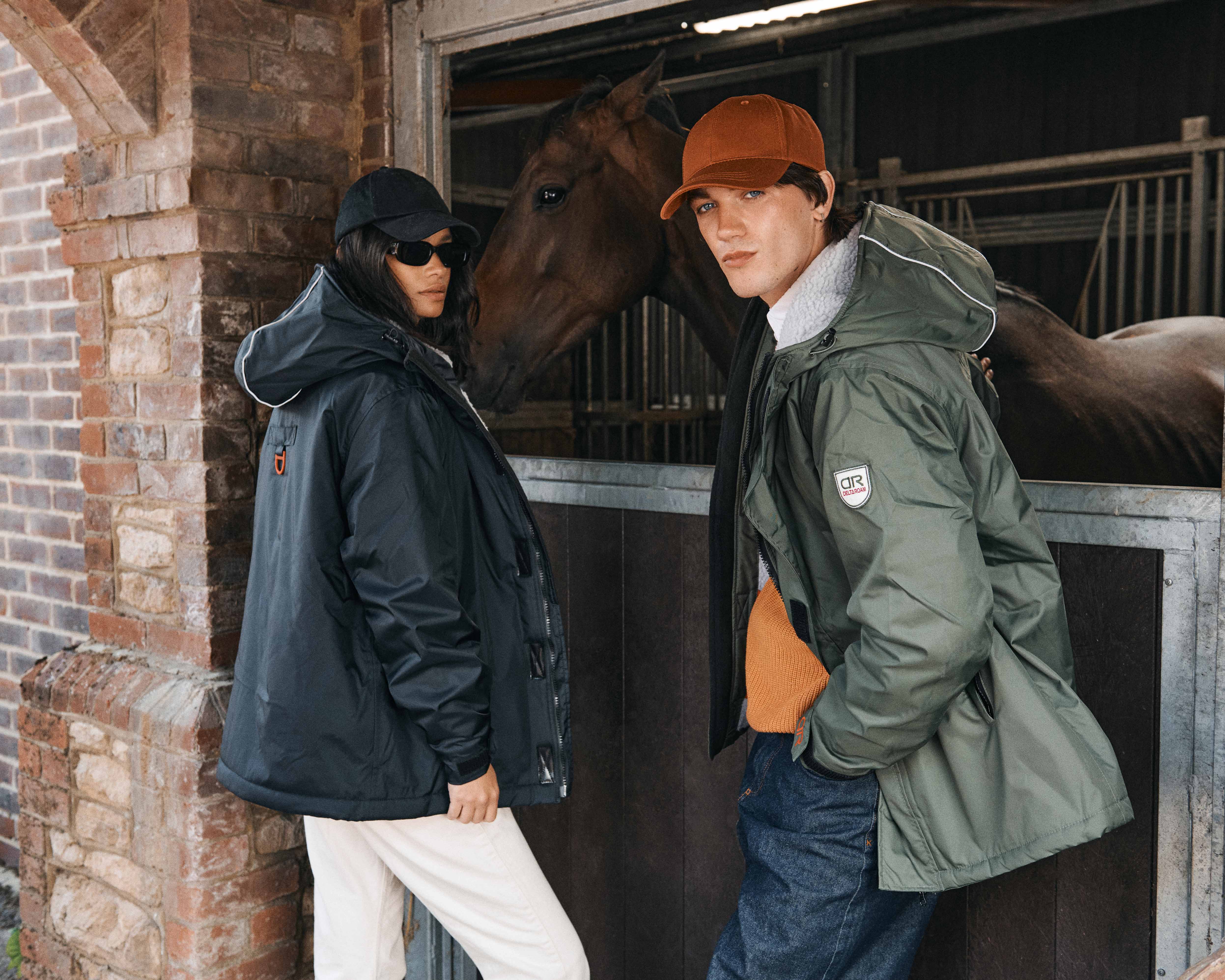


What Is the Best Coat for Standing Outside in Winter
Introduction
Standing outside in winter is very different from walking through it.
Movement generates warmth. Standing still does not.
If you regularly wait on cold sidelines, attend outdoor events, supervise sports practice or spend long periods exposed to wind and damp air, the type of coat you choose matters more than brand or style.
The best coat for standing outside in winter is one designed for prolonged exposure, not short transitions.
Why Standing Still Feels Colder
When you move, your body generates heat. That heat helps compensate for cold air.
When you are stationary, heat production slows. Wind strips warmth from exposed areas. Damp air increases discomfort. Lower body coverage becomes more important than you might expect.
A coat that feels adequate during a brisk walk may feel insufficient after thirty minutes of standing still.
This is where design philosophy becomes important.
Length Matters More Than You Think. One of the most important features for stationary warmth is length. Mid thigh coats may feel warm while walking, but when seated or standing in cold wind, exposed legs lose heat quickly.
Longer silhouettes reduce wind penetration and improve overall heat retention. Outdoor robes and Dry Coats often provide extended coverage compared to standard winter jackets.
For broader category comparison, see outdoor robe vs coat.
Insulation for Static Warmth
Insulation type determines how well a coat retains heat without movement. Lightweight insulation is often designed for active wear. Heavier insulation supports prolonged exposure.
If you frequently attend youth sports, outdoor games or cold weather events, prioritise insulation designed for static conditions rather than mobility.
For technical explanation see how insulation works in cold weather.
Waterproof vs Water Resistant
Winter often brings damp air and sustained rainfall rather than brief showers. Water-resistant fabrics may handle light precipitation but can become saturated over time.
Fully waterproof outer fabrics combined with sealed seams provide better protection during extended exposure.
For a deeper understanding see what does waterproof rating mean.
Wind Protection
Wind chill significantly lowers perceived temperature. Coats designed for endurance often include:
Structured hoods
Storm flaps over zips
Tighter cuff construction
Longer cuts
These elements reduce heat loss during windy conditions.
Breathability During Long Wear
Although you may not be moving much, moisture still builds inside the garment. Breathable fabrics allow internal vapour to escape, preventing a damp internal environment.
For technical detail see what does breathability mean in a coat.
Outdoor Robe or Traditional Winter Coat
If you primarily commute between heated environments, a traditional winter coat may be sufficient. If you stand outdoors for long periods, an outdoor robe or Dry Coat may provide greater comfort.
The key difference lies in design emphasis.
Traditional coats prioritise mobility and structure. Outdoor robes prioritise endurance and extended coverage.
For foundational understanding, see what is a dry coat.
Real World Use Cases
The need for prolonged warmth commonly arises in:
- Youth sports games
- Outdoor concerts and events
- Cold-weather school routines
- Coastal walks in winter
- Waiting at open air transport stops
In these situations, insulation and coverage matter more than a tailored silhouette.
Choosing Based on Climate
Cold, dry climates differ from cold, damp climates.
In damp regions, waterproofing and wind protection are critical. In extremely cold but dry regions, insulation thickness becomes the priority. Assessing your typical winter conditions will narrow the decision.
Frequently Asked Questions
1. What type of coat is warmest when standing still?
Longer insulated coats designed for extended exposure tend to retain warmth more effectively than shorter commuter styles.
2. Is a longer coat always warmer?
Longer coats provide more coverage, which reduces wind penetration and heat loss from the legs. Insulation quality also plays a significant role.
3. Are outdoor robes good for standing outside in winter?
Yes. Outdoor robes are specifically designed for prolonged stationary exposure. For broader context, see what is a changing robe.
4. Is a Dry Coat better than a regular winter coat for sidelines?
If you are standing still for long periods, a Dry Coat may provide more consistent warmth due to extended length and insulation. For comparison, see dry coat vs changing robe.
5. Do I need a fully waterproof coat in winter?
If you live in a region with sustained rain or damp air, waterproof construction improves long-term comfort.
Conclusion
The best coat for standing outside in winter is one built for endurance.
Look for:
Extended coverage
Effective insulation
Wind protection
Waterproof construction
If your winter routine involves prolonged exposure rather than short transitions, choosing a coat designed for static warmth can significantly improve comfort.
Understanding how you spend time outdoors is the clearest guide to choosing correctly.


