



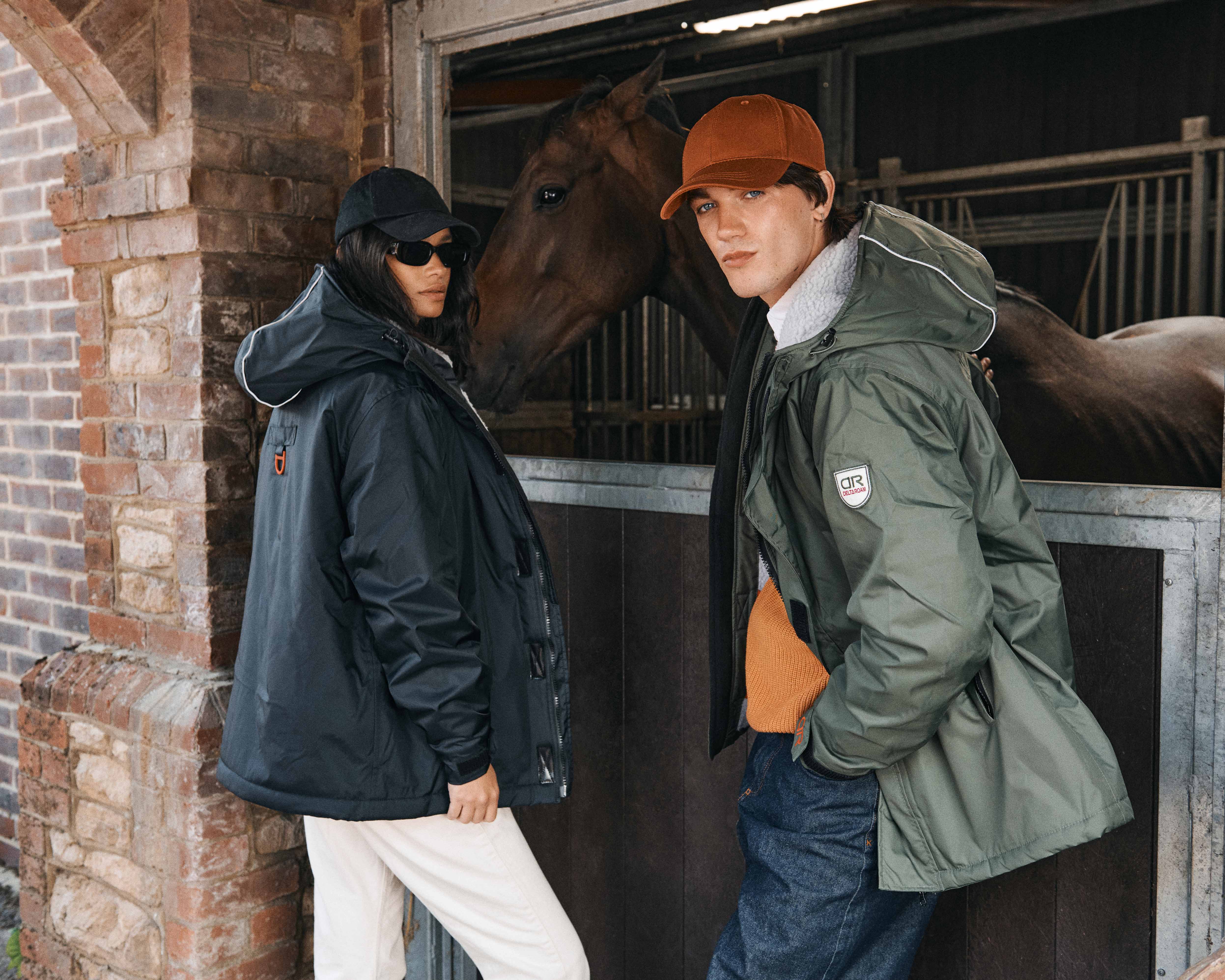


How to Choose a Beanie for Cold Weather
Introduction
Heat loss in cold weather does not only happen through your hands and feet.
A significant amount of body heat escapes through the head, especially in windy conditions.
Choosing the right beanie improves comfort during prolonged outdoor exposure, whether you are attending youth sports, walking along the coast or commuting in winter.
Material Matters
The effectiveness of a beanie depends largely on fabric. Merino wool is widely used for cold weather headwear because it is:
Naturally insulating
Lightweight
Breathable
Soft against skin
Merino fibres trap warm air close to the head while allowing moisture vapour to escape. This balance reduces overheating during light movement.
For broader context on warmth retention see how-insulation-works-in-cold-weather.
Lightweight vs Heavy Knit
Heavy knit beanies provide strong insulation but may feel bulky under hoods.
Lightweight merino options offer warmth without excess weight, making them easier to pair with longer coats or Dry Coats.
For outerwear pairing guidance see how-to-choose-an-outdoor-robe.
Wind Protection
Wind increases heat loss significantly. Wearing a beanie beneath a structured hood adds an additional barrier against cold air.
For prolonged exposure guidance see what-is-the-best-coat-for-standing-outside-in-winter.
Fit and Comfort
A well fitted beanie should:
Sit securely without slipping
Avoid excessive compression
Cover the ears fully
Soft merino wool reduces irritation during long wear periods.
Colour Coordination and Versatility
Neutral tones allow beanies to integrate easily with winter outerwear systems.
Matching tones across coats, bags and accessories creates a cohesive winter wardrobe without requiring multiple separate pieces.
For ecosystem context see what-to-pack-for-a-cold-weather-sports-day.
Breathability
Even in cold weather, the body releases heat and moisture through the scalp.
Breathable fibres such as merino help regulate temperature during stop and start outdoor routines.
For technical explanation see what-does-breathability-mean-in-a-coat.
Frequently Asked Questions
1. Is merino wool good for winter beanies?
Yes. Merino provides insulation while remaining breathable and lightweight.
2. Are lightweight beanies warm enough for winter?
When paired with proper outerwear and wind protection, lightweight merino options can provide effective warmth.
3. Should a beanie be tight or loose?
It should fit securely without compressing the head excessively.
4. Do I need a beanie if I have a hood?
A hood blocks wind, but a beanie adds insulation and improves overall warmth retention.
Conclusion
A well chosen beanie improves comfort during prolonged winter exposure.
Lightweight merino wool balances insulation and breathability, making it suitable for everyday outdoor routines.


